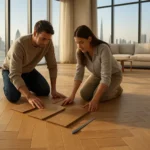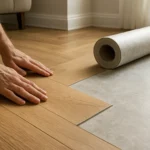
Parquet and wooden flooring both come from real timber, but they give different looks and suit different uses. Parquet is made from small wood pieces arranged in geometric patterns and fits formal rooms. Wooden flooring uses longer planks that show the grain and work well in open areas. For a quick guide, Floors Land suggests using parquet in decorative spaces and planks in everyday living areas.
Key Statistics
- Typical lifespan: solid wood planks 40 to 100 years, parquet 30 to 80 years depending on construction
- Average installation cost (installed): parquet $8 to $25 per sq ft, solid wood planks $6 to $20 per sq ft
- Refinishing cycles: solid planks 3 to 10 times, parquet 1 to 4 times depending on thickness
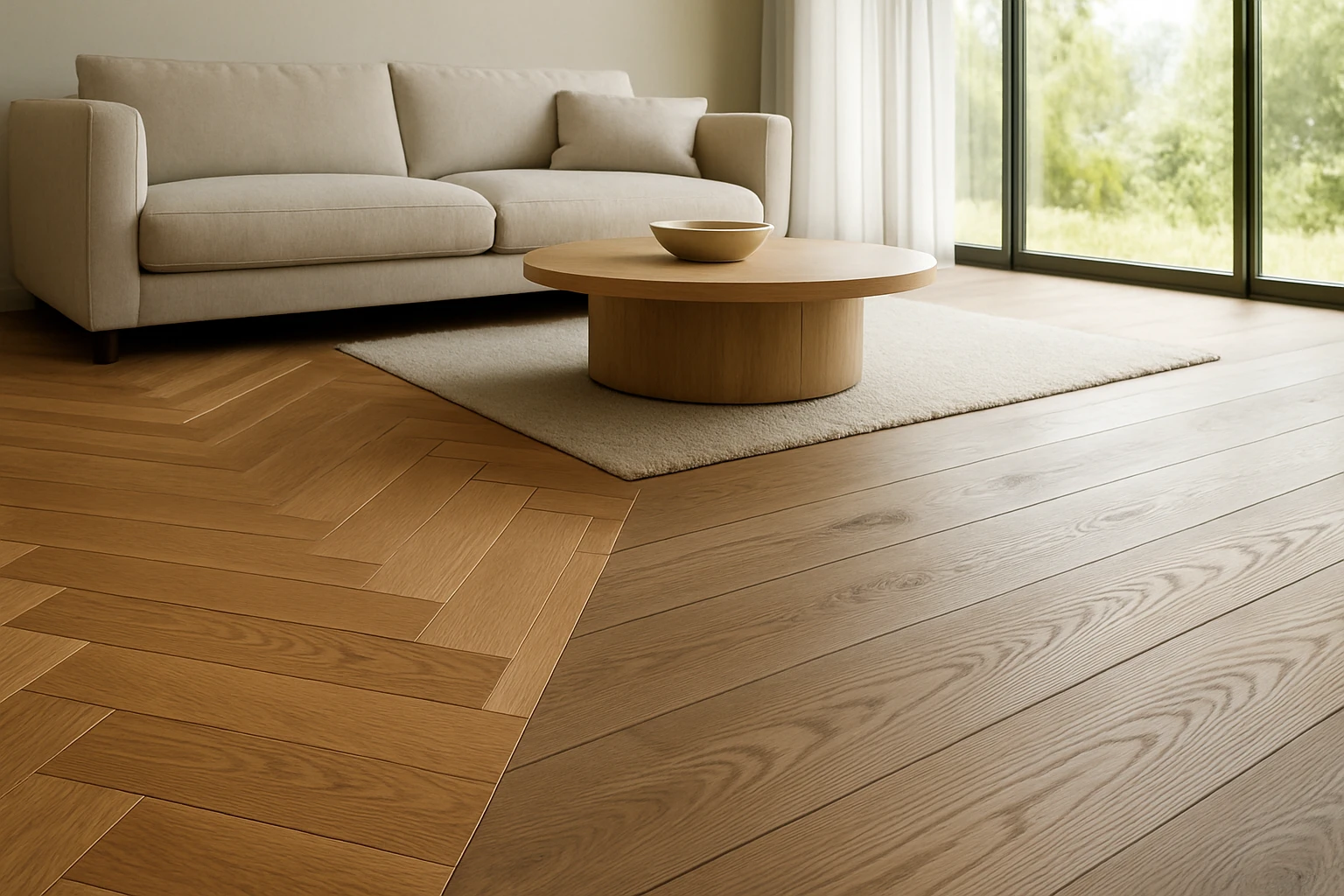
How Parquet and Wooden Flooring Differ
Both are wood floors, but they differ in board shape, pattern and construction. Parquet uses small blocks or strips set into repeating geometric layouts. Wooden flooring usually means longer planks that run the length of a room. Each option changes how the room looks and how the floor wears over time.
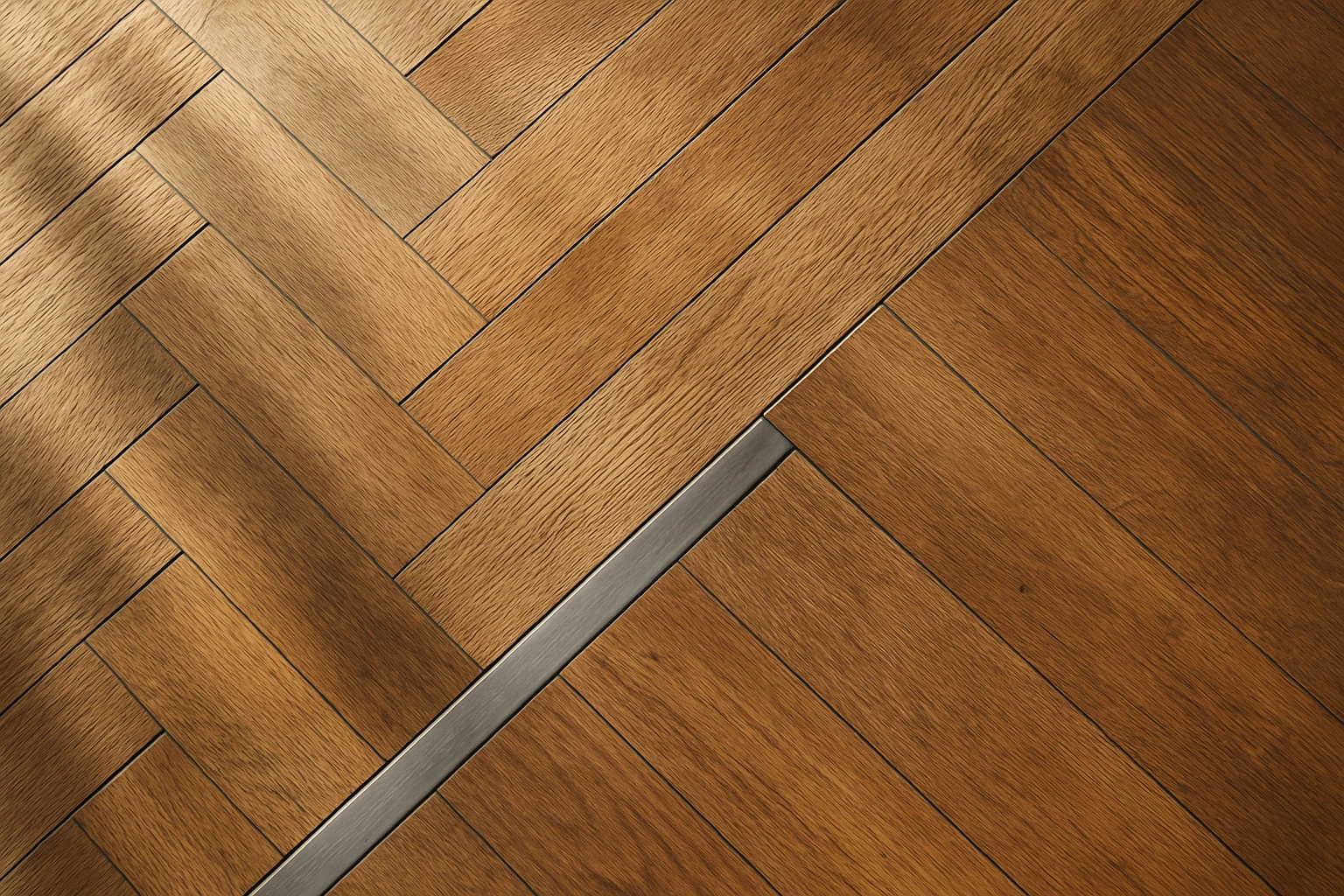
What Parquet Is
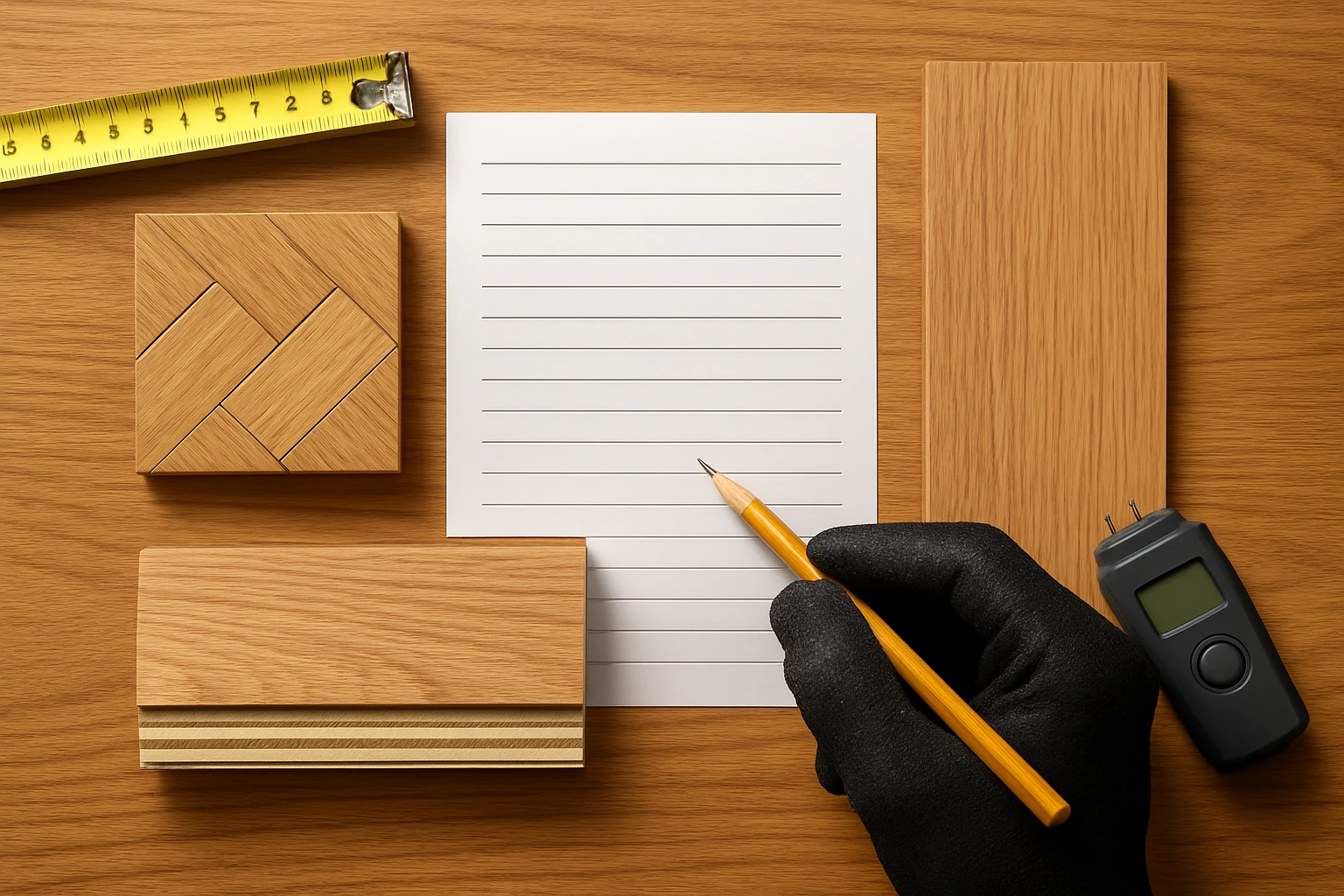
Parquet is made of small wood pieces placed into repeating designs like herringbone, chevron or basket weave. The pieces can be solid wood or engineered boards with a hardwood top. Parquet gives a decorative look and is often chosen when pattern and detail matter.
What Wooden Flooring Is
Wooden flooring usually means long planks of solid or engineered wood. Planks show the natural grain and knots of the timber. They give a simpler, cleaner look that fits many room sizes and styles.
Cost Comparison and Value
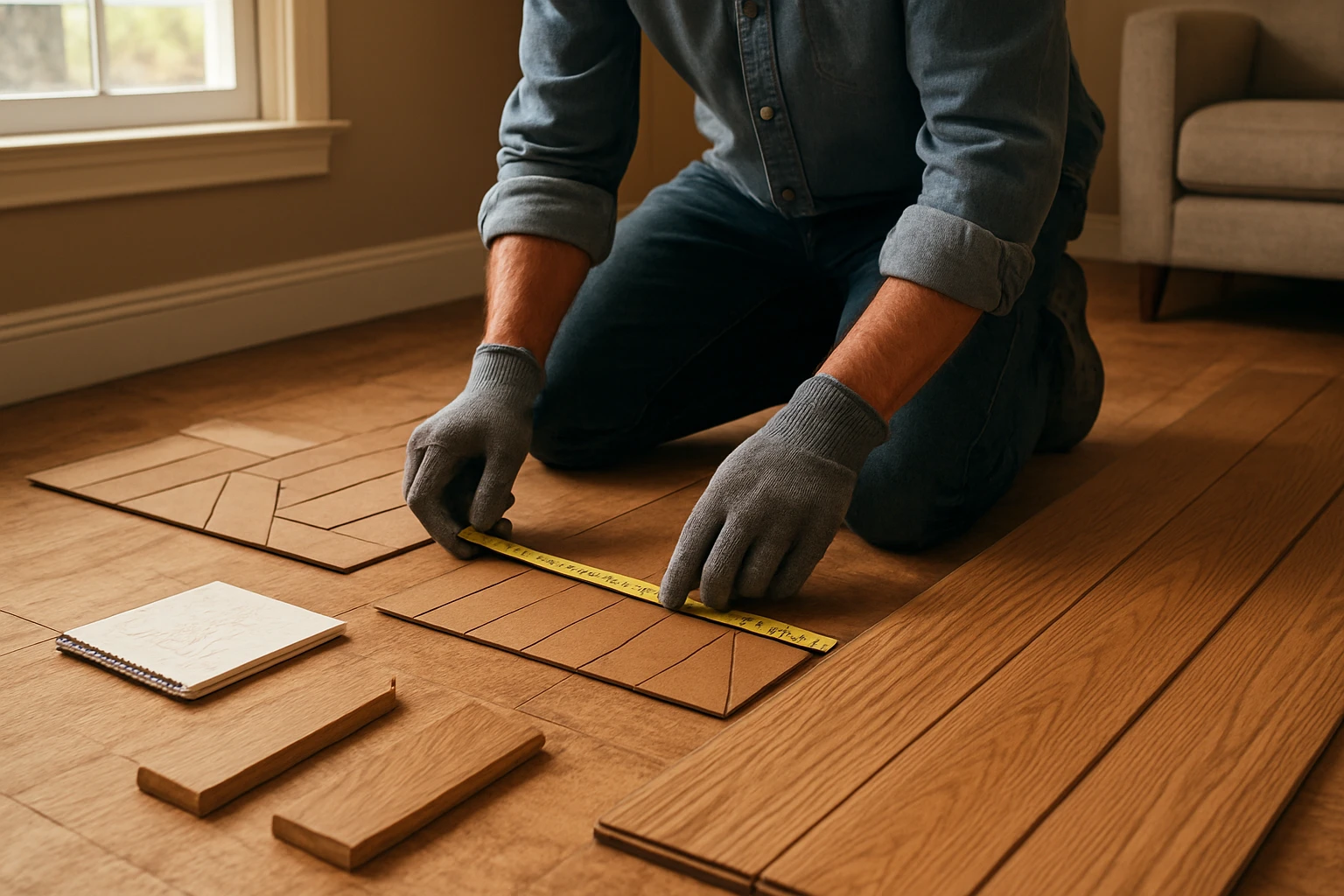
Price depends on wood species, plank thickness, finish and how hard the install is. Parquet often costs more to fit because patterns need extra cutting and precise layout. Straight planks go in faster and usually cost less to install. Always compare material price and installed price in your area before you decide.
Cost Comparison Table (Typical U.S. market ranges)
| Flooring Type | Material Cost per sq ft | Installed Cost per sq ft | Notes |
|---|---|---|---|
| Parquet (engineered) | $4.50 to $10 | $8 to $25 | Pattern work raises labour cost |
| Solid Wood Planks | $3.50 to $12 | $6 to $20 | Species and plank width drive price |
| Engineered Planks | $2.50 to $8 | $5 to $15 | Good for moisture-prone areas |
For more on local pricing, see the cost guide in Dubai at How Much Does Flooring Cost in Dubai.
Durability and Maintenance
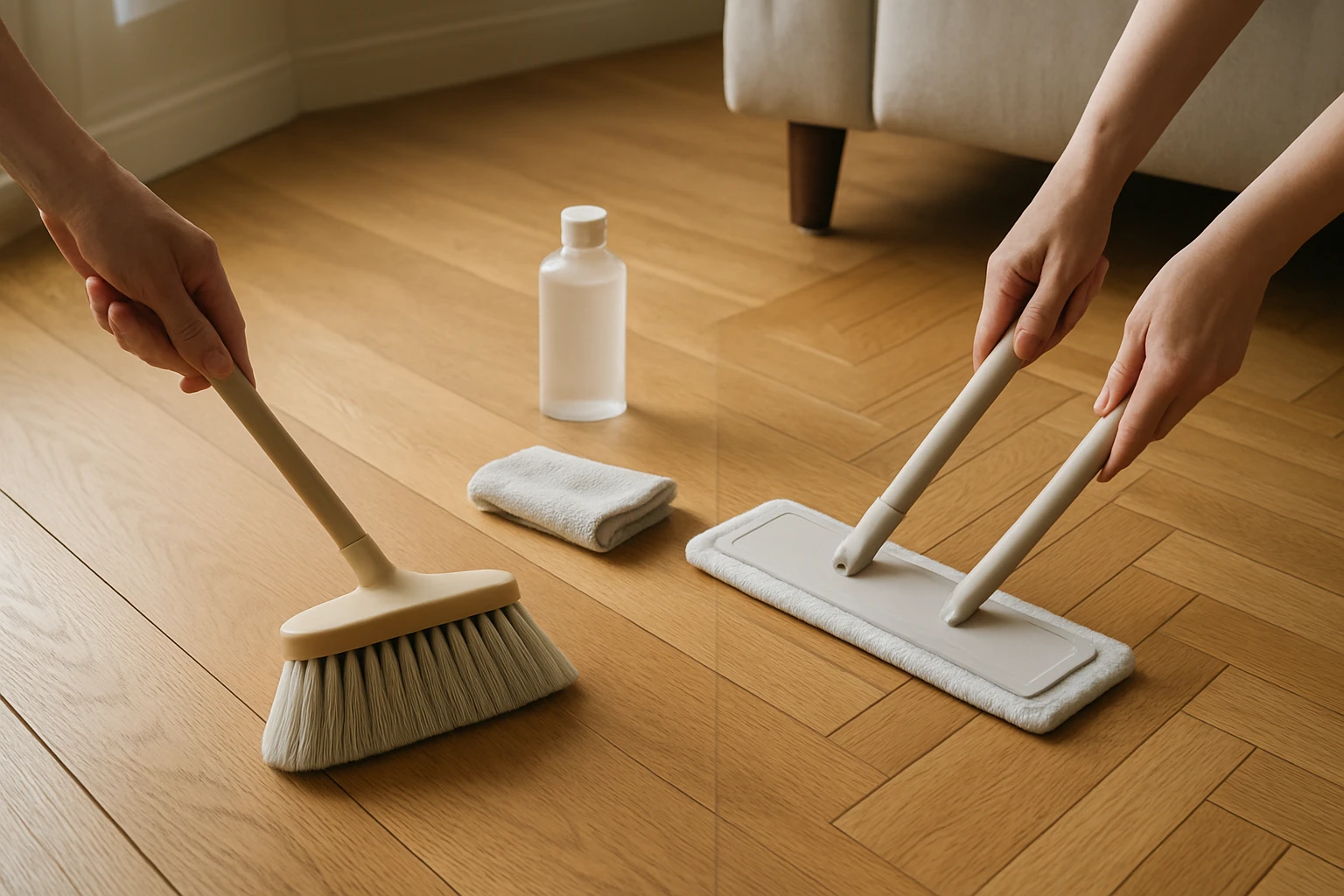
Durability comes down to species, finish and how much foot traffic the floor sees. Hardwoods such as oak and maple stand up well to wear. Engineered boards add stability in areas with more humidity. Care is similar for both types: sweep or vacuum, mop with a wood-safe cleaner, wipe spills quickly and use felt pads under furniture legs.
Common Damage Types
Scratches and Surface Wear:
Scratches are the most common issue in high-traffic spots and under heavy furniture. Dragging furniture instead of lifting it makes scratches worse.
Moisture and Warping:
Too much water can cup or warp wood. Parquet with a thin top layer is more sensitive to repeated moisture. Wipe spills quickly and keep indoor humidity steady.
Maintenance Steps
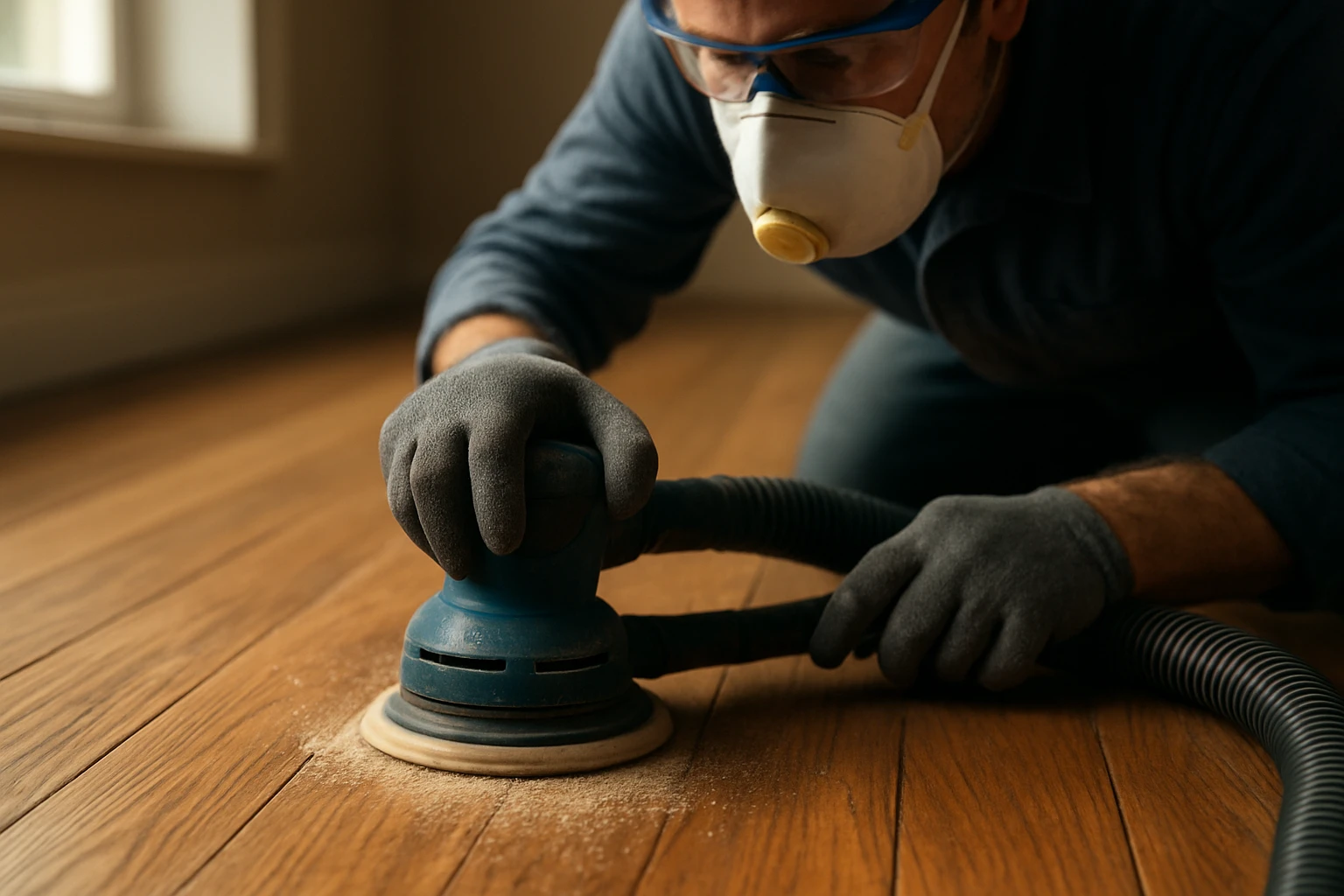
Routine care and small repairs extend a floor’s life. Solid planks can be sanded and refinished several times. Parquet with a thin veneer is harder to sand and may need patch repairs instead of full sanding.
Installation and Patterns
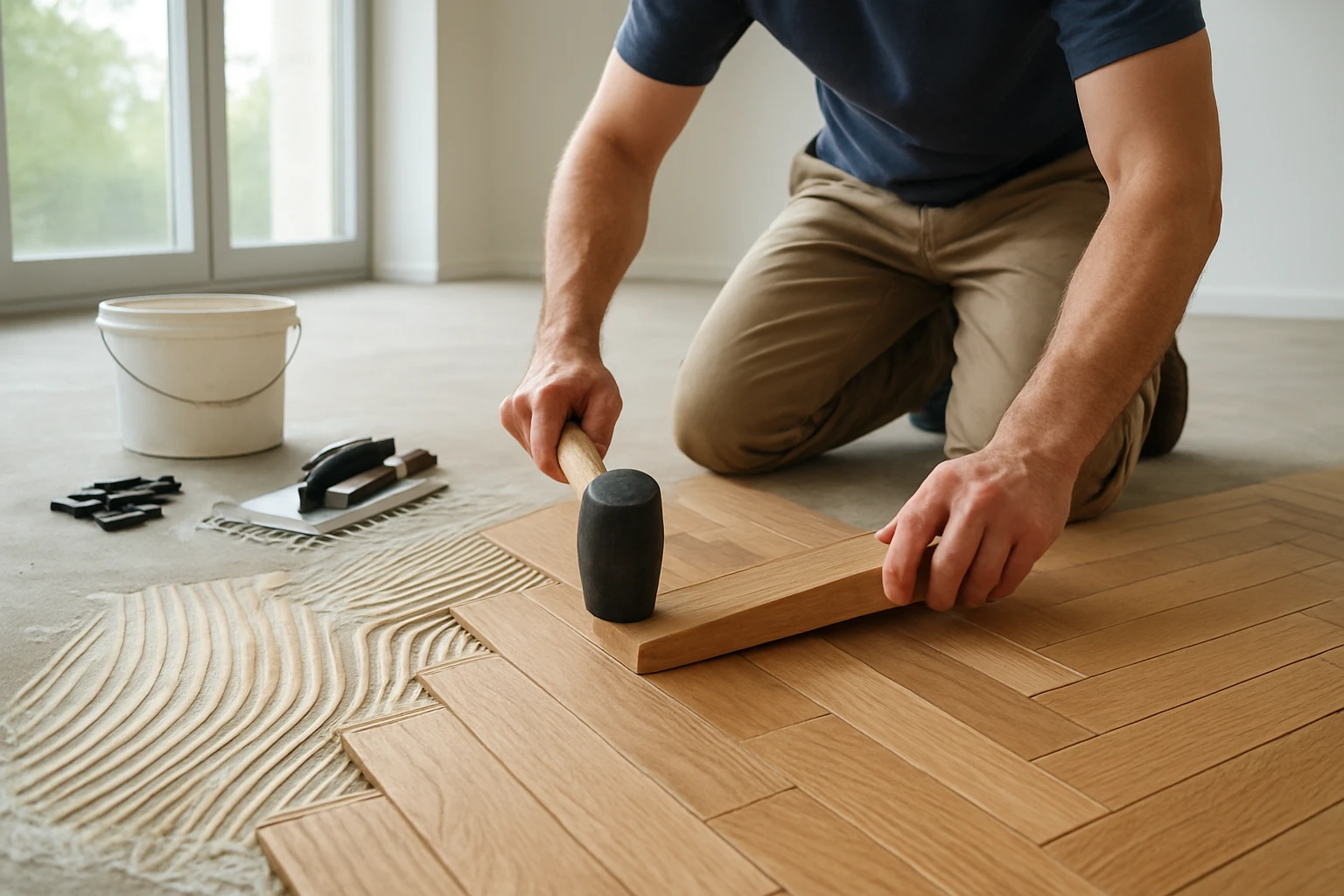
Installation time and cost vary by style. Parquet needs careful laying and a flat, well-prepared subfloor. Plank floors can be nailed, glued or floated, and many engineered planks float over an underlay. If you want a decorative floor, parquet makes a stronger visual pattern than standard planks.
Parquet Patterns
Popular Patterns:
- Herringbone
- Chevron
- Basket Weave
Patterns change how a room feels. Herringbone adds movement, chevron reads as formal, and basket weave feels classic. For more pattern ideas and layout tips see the pattern guide at Parquet Flooring Patterns: Herringbone, Chevron and Other Classic Layouts.
Subfloor Preparation:
A flat subfloor is essential for both parquet and planks. Uneven surfaces lead to gaps and poor adhesion. Use a self-leveling compound when needed.
Which Flooring Works Best in Each Room
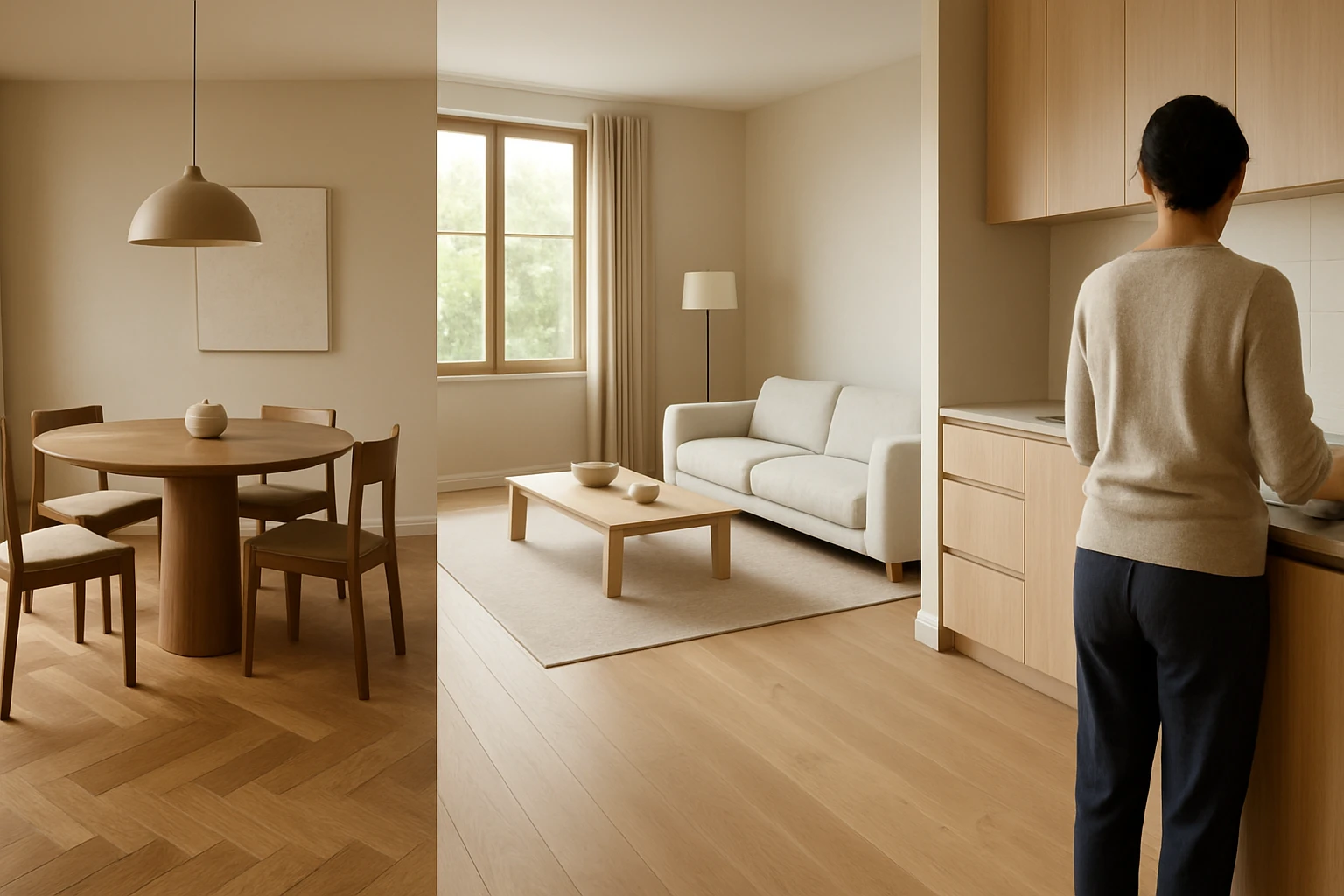
Match the floor to room use, moisture risk and the look you want. Parquet makes a strong decorative centre for formal living and dining rooms. Wide planks give a calm, continuous look in large open-plan areas and bedrooms. In kitchens and bathrooms choose engineered planks or other products made for moisture.
Quick Room Guide
- Entry and Hall: Parquet creates a strong first impression but needs a hard-wearing finish.
- Living Room: Planks help rooms flow and feel less busy.
- Dining Room: Parquet adds elegance and suits formal decor.
- Kitchen: Choose engineered planks or water-resistant options.
Environmental Impact and Sustainability
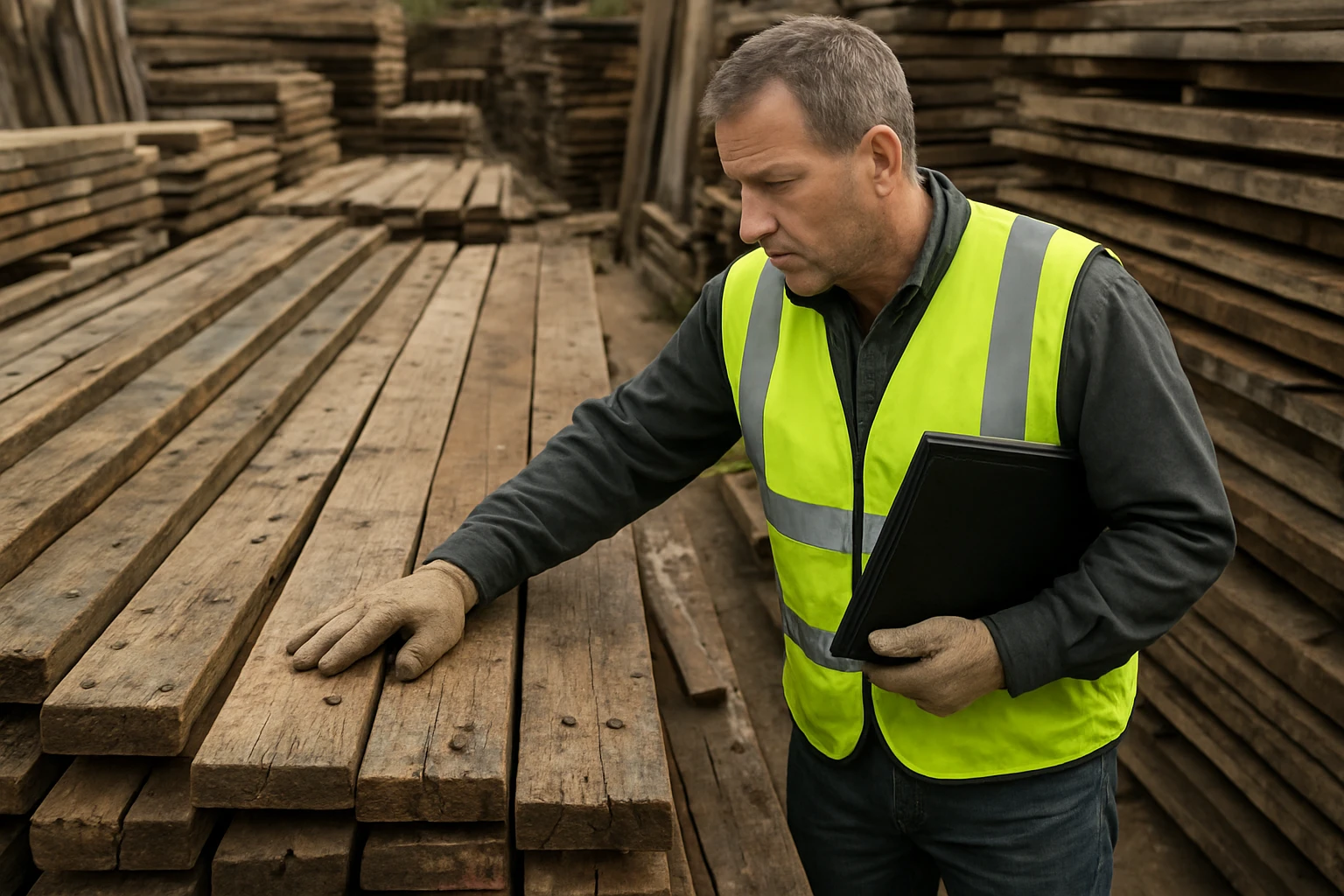
Wood floors can be renewable when the timber is sourced responsibly. Species choice matters. Fast-growing species and certified wood lower the impact. Reclaimed wood and long-lasting floors reduce lifetime environmental cost because they need replacing less often.
Sustainability Notes
- Look for FSC or PEFC certification for responsibly sourced wood.
- Engineered wood uses less top-layer timber while keeping a real wood surface.
- Reclaimed wood reduces demand on new forests.
How to Choose: Quick Checklist
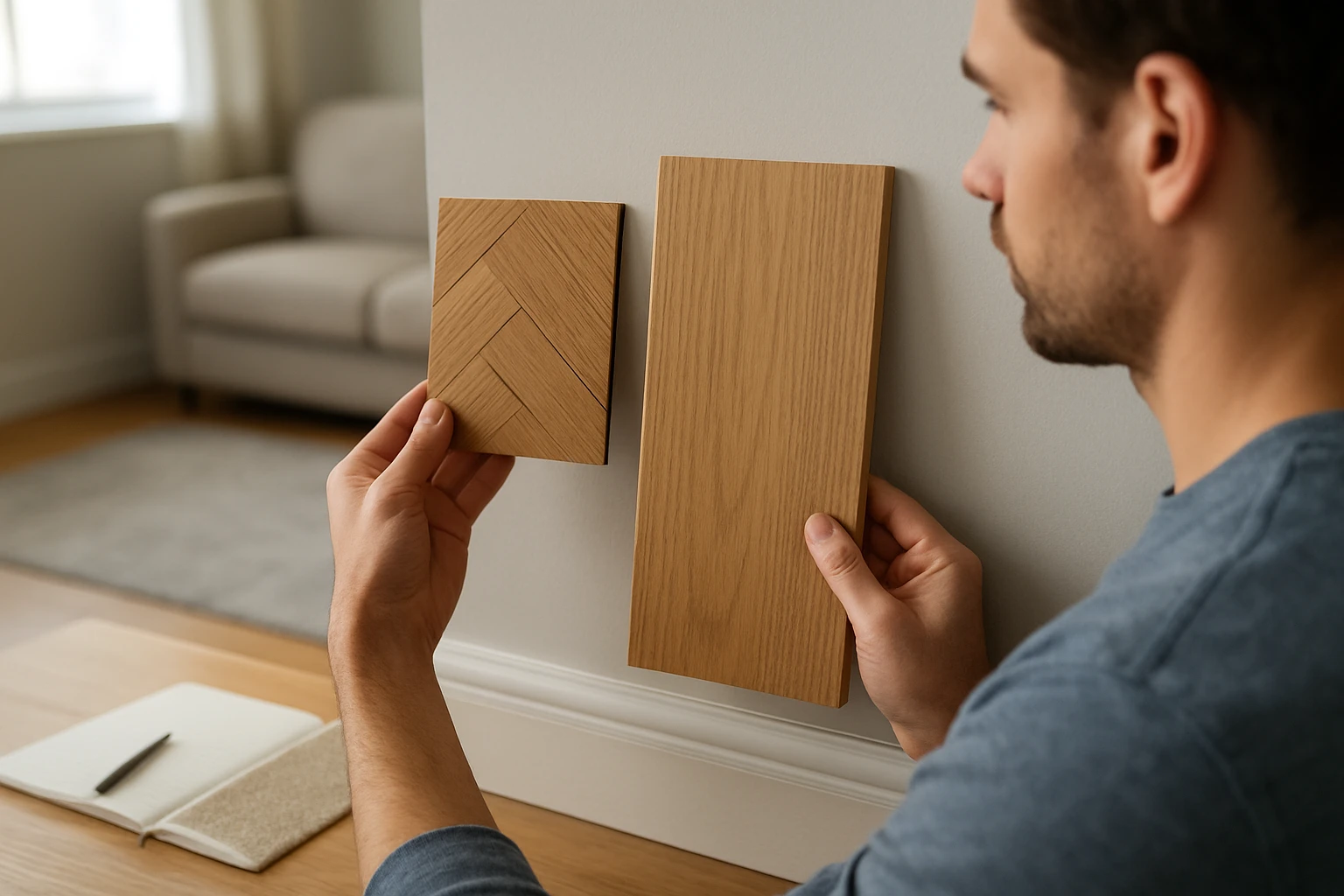
Start with room use and budget, then check maintenance needs and the look you want. Try samples in the room light and use rugs where needed. A clear checklist makes it easier to compare options side by side.
Budget and Value:
- Set separate budgets for materials and installation.
- Remember long-term value: higher upfront cost can mean fewer replacements.
Practical Fit:
- Test samples in the room at different times of day.
- Check the manufacturer warranty and refinishing limits.
Installation Prep:
- Ask about subfloor work and moisture barriers.
- Get written installation and finish details from installers.
Comparison Summary Table
| Feature | Parquet | Wooden Planks | Notes |
|---|---|---|---|
| Look | Decorative, patterned | Natural, continuous grain | Parquet is a design element |
| Installation | Higher labour, pattern work | Faster, simpler | Pattern increases install time |
| Cost | Medium to high | Low to high by species | Compare installed prices |
| Durability | Good, depends on veneer | Very good for solid planks | Solid planks can be refinished more times |
| Maintenance | Regular care, careful with moisture | Regular care, easier to repair | Both need spill control |
| Best Use | Formal rooms, entry halls | Living rooms, bedrooms, open areas | Use engineered in wet areas |
Final Recommendation
Pick parquet if you want a decorative statement and can pay a bit more for installation. Choose wider wooden planks if you prefer a timeless look that is easier to repair and suits more rooms. Consider engineered versions when moisture or budget are a concern.

Helpful Links and Alternatives
If you want to see product pages and compare specific types, review Parquet Flooring for parquet options and Wooden Flooring for plank choices. If you are weighing other materials, consider Laminate Flooring and LVT Flooring as lower-cost or moisture-tolerant alternatives.
Frequently Asked Questions
Is Parquet Real Wood or Synthetic?
Parquet is usually real wood, either solid blocks or engineered boards with a hardwood top. Some budget options mimic parquet patterning in vinyl, but true parquet uses wood pieces set in patterns.
Can Parquet Be Sanded and Refinished?
Parquet can be refinished if the top layer is thick enough. Solid parquet takes sanding better than thin-veneer engineered parquet, which may need patch repairs instead of full sanding.
Which Lasts Longer, Parquet or Solid Wood Planks?
Solid wood planks typically last longer because they can be sanded and refinished multiple times. Parquet lasts long too but the number of refinishes depends on top-layer thickness.
Is Engineered Wood a Good Alternative for Kitchens?
Yes. Engineered wood gives a real wood surface with better dimensional stability against moisture, so it suits kitchens better than many solid planks.
How Do I Decide Between Decorative Parquet and Simple Planks?
Choose parquet when you want a formal or patterned look and accept higher installation cost. Choose planks when you want a simpler appearance, easier repairs and faster installation.