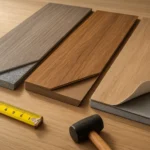
LVT (luxury vinyl tile or plank) is a higher-end type of vinyl flooring. It has a thicker wear layer and a multi-layer build, which makes it more durable and more realistic looking. Standard vinyl covers sheet goods and thin click or glue-down planks that cost less up front. The right choice depends on traffic, budget, and room conditions. LVT often lasts longer and looks more like real wood or stone, while vinyl can be the lower-cost option for rooms with light use.
Key Statistics
- Average residential lifespan: LVT 15 to 25 years, standard vinyl 7 to 15 years depending on wear layer and installation.
- Typical installed cost per square foot (US market): vinyl sheet $1.50 to $4.00, LVT $2.50 to $7.00, premium LVT $6.50 to $10.00.
- Water resistance: most LVT and modern vinyl products are 100 percent water resistant; rigid core LVT like SPC offers higher dent resistance.
A short introduction to the differences and how to pick the best floor for your space. In this guide, Floors Land walks you through the key facts, costs, installation options, and real-world pros and cons so you can choose with confidence.
What LVT and Vinyl Mean
Most people use LVT and vinyl as if they mean the same thing, but they are different. LVT is a premium vinyl product made as planks or tiles that mimic wood or stone. It has a clear wear layer and a detailed printed layer. Vinyl can mean many formats, including sheet vinyl, thin vinyl planks, and budget click systems that have a simpler build.
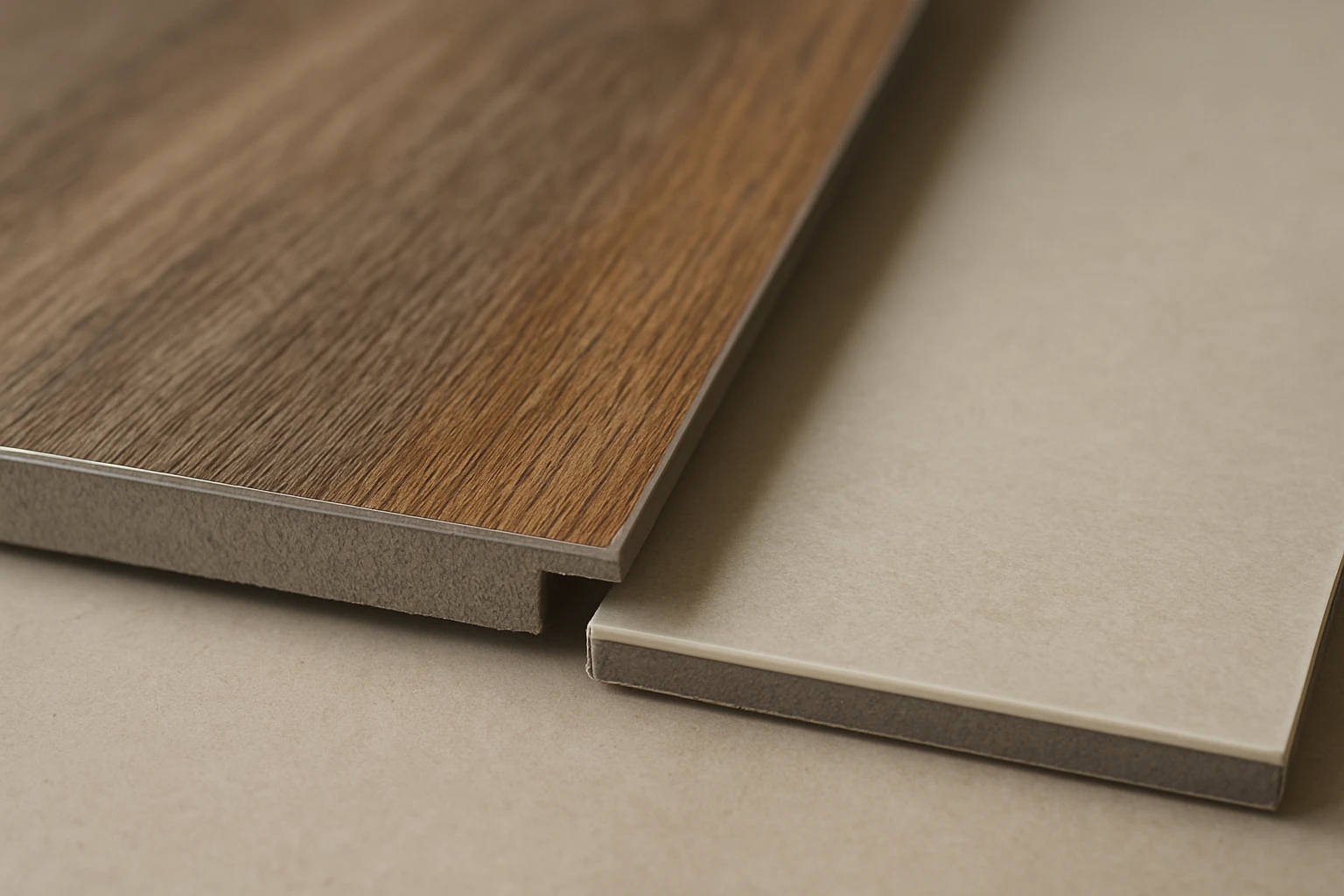
Construction Differences
The main difference is how the product is made and how many layers it has. LVT typically has a protective wear layer, a printed design film, a rigid or flexible core, and a backing. Standard vinyl may be a single sheet or a thin plank with fewer layers. A thicker wear layer gives better resistance to scratches and heavy use.
Wear Layer:
This is a clear protective layer on top. Measured in mils, common ranges are 6 mil for budget products and 20 mil or more for heavy commercial use.
Core Types:
Many LVT planks use a rigid core like SPC (stone plastic composite) or WPC (wood plastic composite). These cores add stability and reduce denting. Standard vinyl often has a flexible core.
Print and Texture:
High-quality LVT uses high-resolution printing plus an embossed texture to mimic wood grain or stone pits. Standard vinyl has simpler prints and a flatter finish.
Cost Comparison
Cost is one of the biggest reasons people ask about lvt vs vinyl flooring. Upfront material price and installation both matter, and long-term value depends on lifespan and repair costs.

Here is a simple cost table to compare typical ranges. Prices vary by brand, region, and installation method.
| Product Type | Material Cost (per sq ft) | Installed Cost (per sq ft) | Typical Lifespan |
|---|---|---|---|
| Vinyl Sheet | $1.50 to $4.00 | $2.50 to $5.00 | 7 to 12 years |
| Budget Vinyl Plank | $2.00 to $3.50 | $3.50 to $6.00 | 7 to 15 years |
| LVT (standard) | $2.50 to $6.00 | $4.00 to $8.00 | 12 to 20 years |
| Premium LVT / Rigid Core SPC | $4.00 to $10.00 | $5.50 to $12.00 | 15 to 25 years |
In our experience, a mid-range LVT often shows its value after about five years when you count replacement cycles and repair costs. For a tight budget and a low-traffic room, sheet vinyl can be the smart choice.
For regional cost details and buying tips, see the Floors Land post on LVT Flooring Price Dubai: Current Costs, Types and Buying Tips and the broader cost guide How Much Does Flooring Cost in Dubai.
Durability and Lifespan
Durability comes down to wear layer thickness, core type, and surface finish. LVT with a thick wear layer and a rigid core will resist dents, scratches, and daily traffic much better than thin vinyl.

High traffic areas like entryways and kitchens need a tougher product. If you expect heavy use or move furniture often, choose LVT with at least a 12 to 20 mil wear layer and consider a rigid core option like SPC for extra stability.
Scratch and Dent Resistance
Vinyl can scratch more easily when the wear layer is thin. Rigid cores reduce visible dents from heavy furniture. A common mistake is picking the cheapest plank for a busy room and then paying to replace it too soon.
Water Resistance
Both LVT and modern vinyl are effectively water resistant, so they work well in kitchens and bathrooms when installed correctly. For wet basements or commercial kitchens, choose products rated for moisture and follow the manufacturer’s installation instructions.
Appearance and Style Options
Appearance is where LVT stands out. It aims to closely mimic real wood, stone, and tile. LVT often has fine textures and repeat patterns that look natural both up close and from a distance.
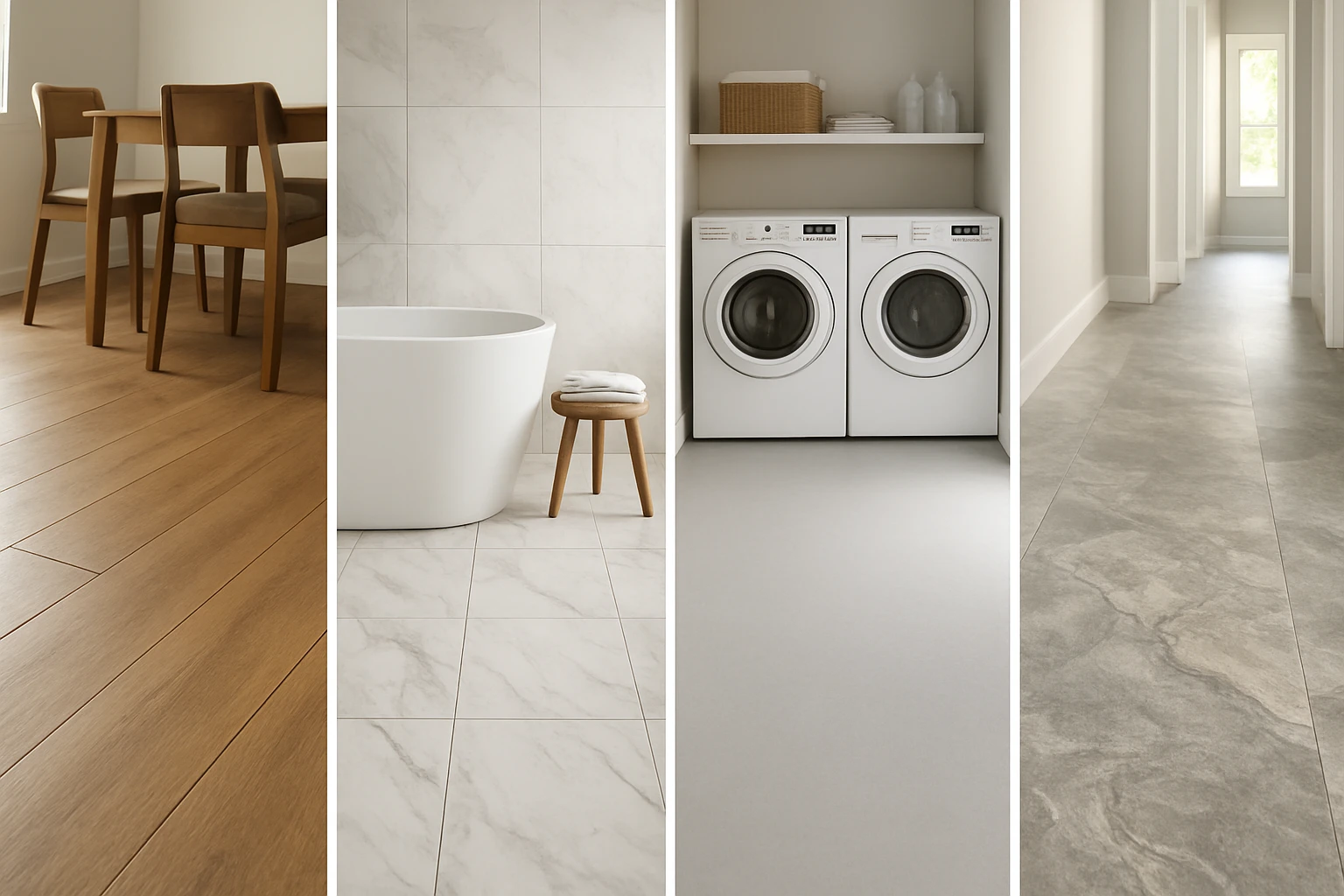
Vinyl sheet can still look very good and is often used for continuous patterns like large-scale stone or seamless graphics. For realistic plank or tile looks with seams and grout lines, LVT usually looks more convincing.
Matching Design Needs
If you want a true wood look and plan specific layouts such as herringbone or wide planks, LVT gives you more options. When a continuous, easy-to-clean surface is the goal, sheet vinyl can be a good pick.
Installation and Subfloor Needs
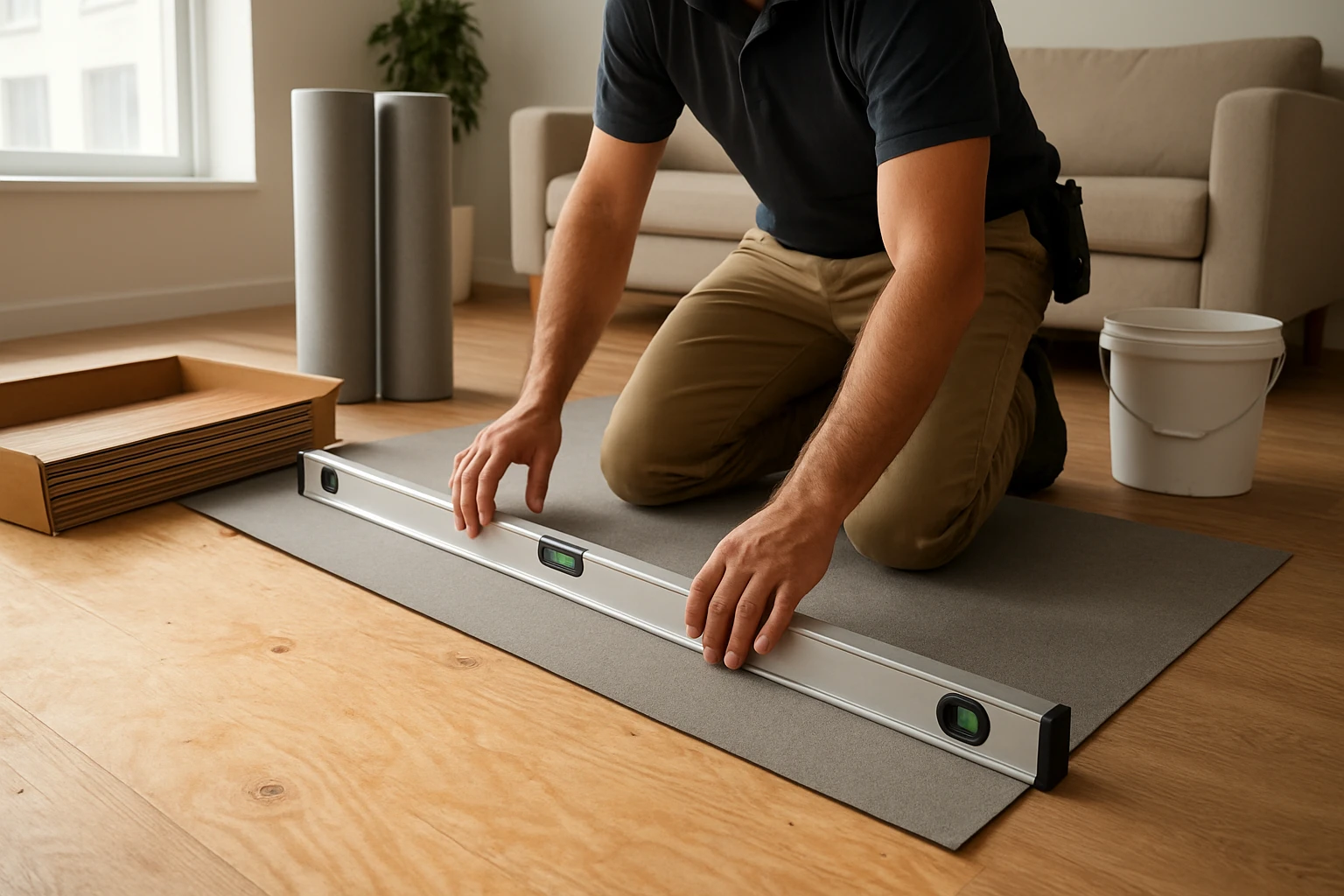
Installation affects cost and performance. LVT commonly comes as click-lock planks, glue-down tiles, or loose-lay sheets. Vinyl sheet is usually glued or loose-laid. Subfloor prep is critical for both types, and uneven floors tend to show through thin products.
DIY Versus Professional
DIY is possible for click-lock LVT in good conditions, and some vinyl sheet systems are made for simple glue-down installation. For glue-down LVT or large sheet installs, a pro will usually get a better, longer-lasting result.
Tool Checklist:
Tape measure, chalk line, utility knife, straight edge, pull bar, tapping block, knee pads, and a leveling compound for subfloor repairs.
Prep Steps:
Check moisture, remove old adhesives, level the floor, and install recommended underlayments. Subfloor errors are the most common reason for early failures.
Basic Installation Steps
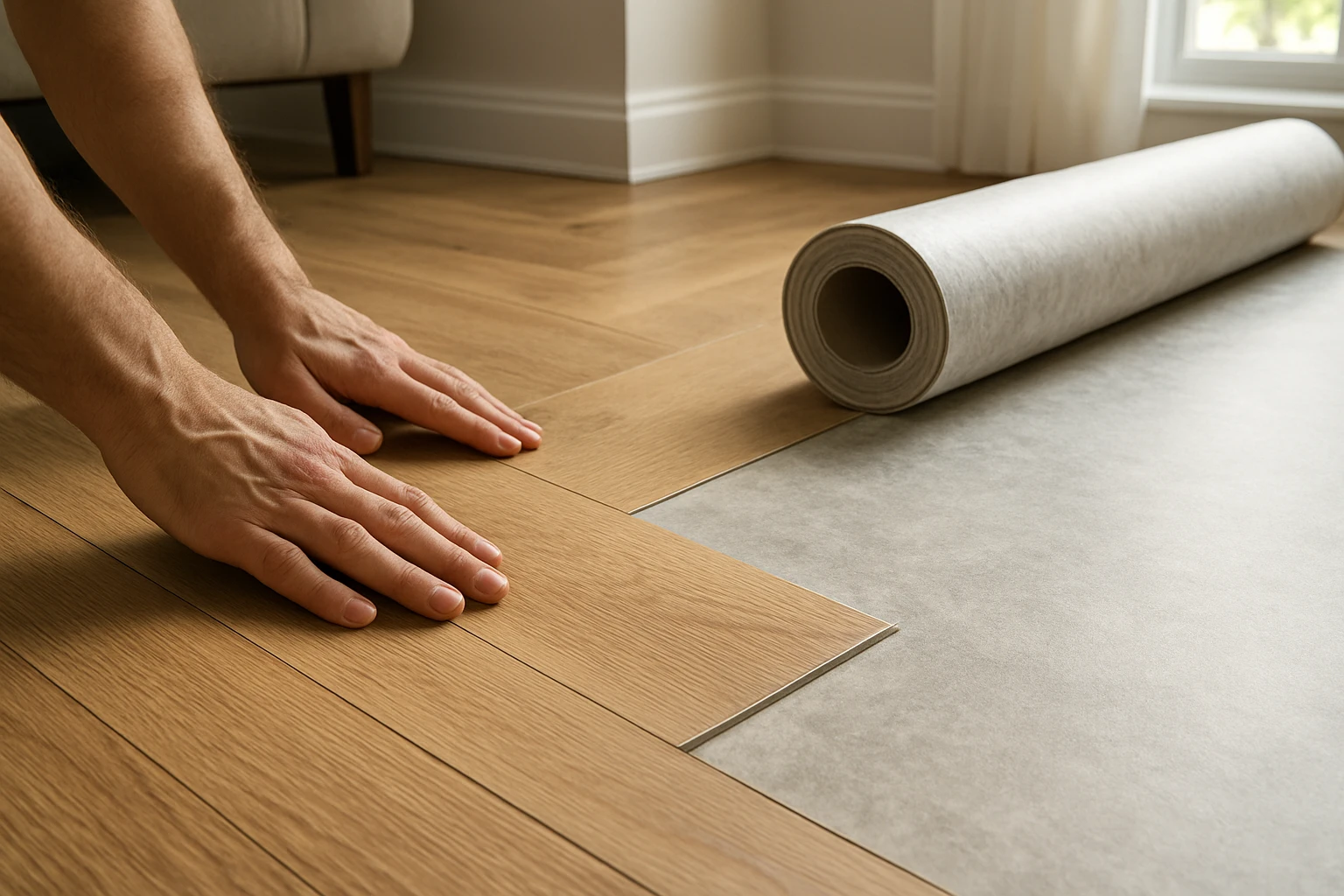
For a typical click-lock LVT install, the steps are: acclimate the planks, prepare a flat subfloor, lay the first row, click planks together, trim edges, and reinstall trim. For sheet vinyl, you cut to fit, weld seams if required, and carefully secure with adhesive.
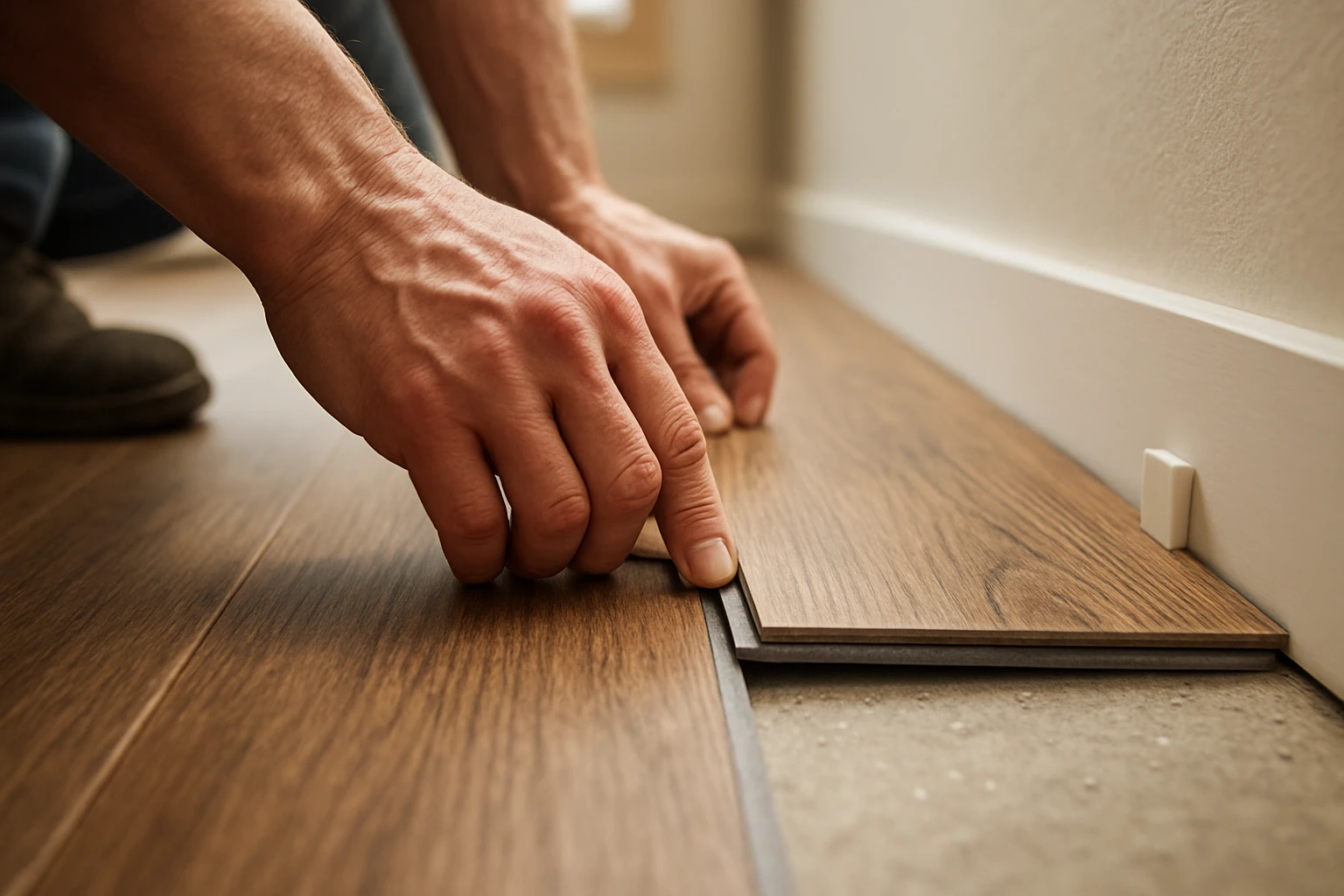
If you are unsure about moisture or complex layouts, hire a qualified installer. A solid installation will show fewer gaps, less movement, and better wear over time.
Maintenance and Care
Both LVT and vinyl are low maintenance, which is one of their main appeals. Regular sweeping and an occasional damp mop are usually enough. Avoid abrasive pads that can wear the surface.
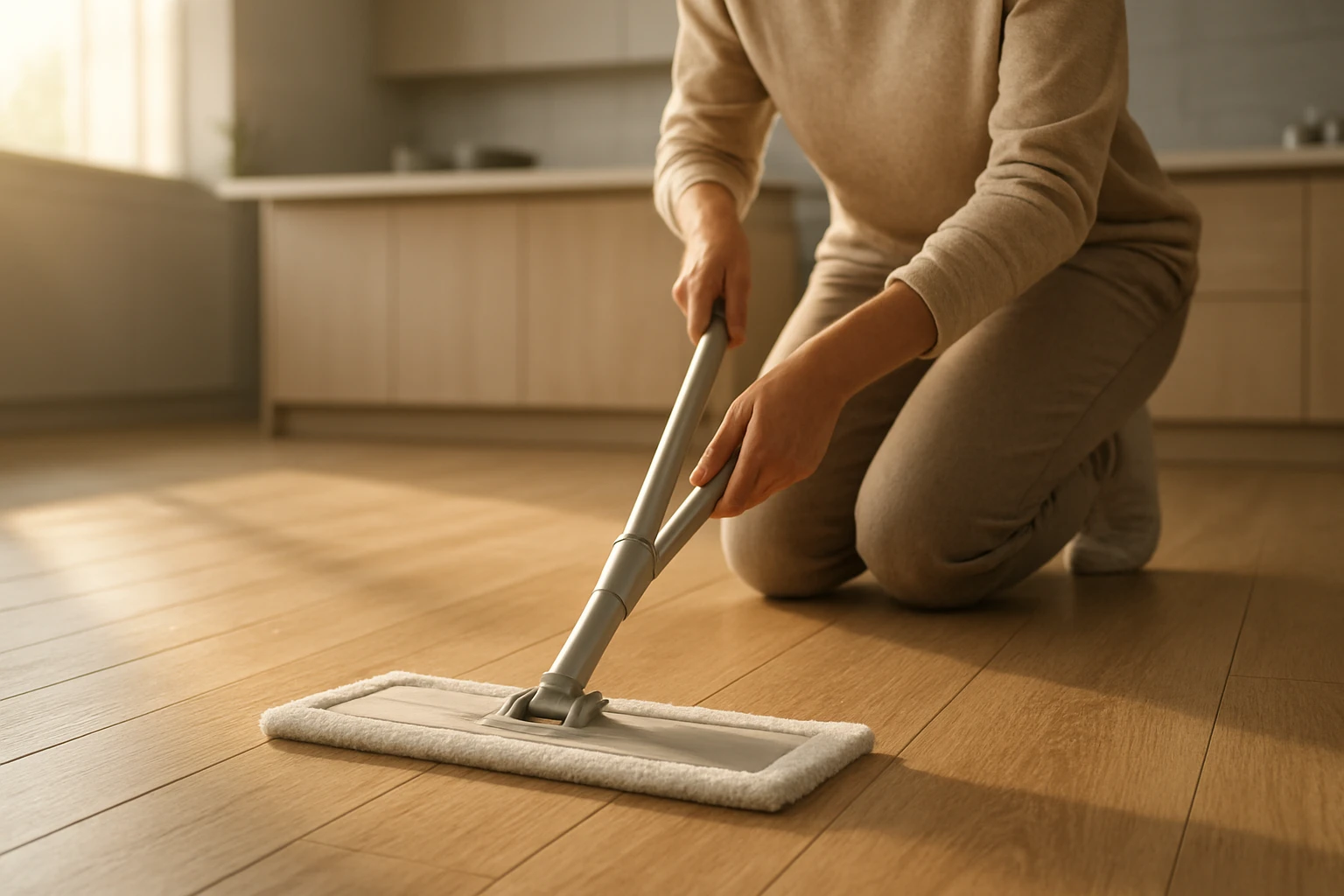
For spills, wipe them up promptly. For scuffs, a microfiber cloth and a mild cleaner will often remove marks. Use furniture pads to reduce point loads, and avoid steam cleaners unless the manufacturer says they are allowed.
Suitability by Room
Some floors fit certain rooms better than others. Here is a quick table to guide choices based on common household rooms.
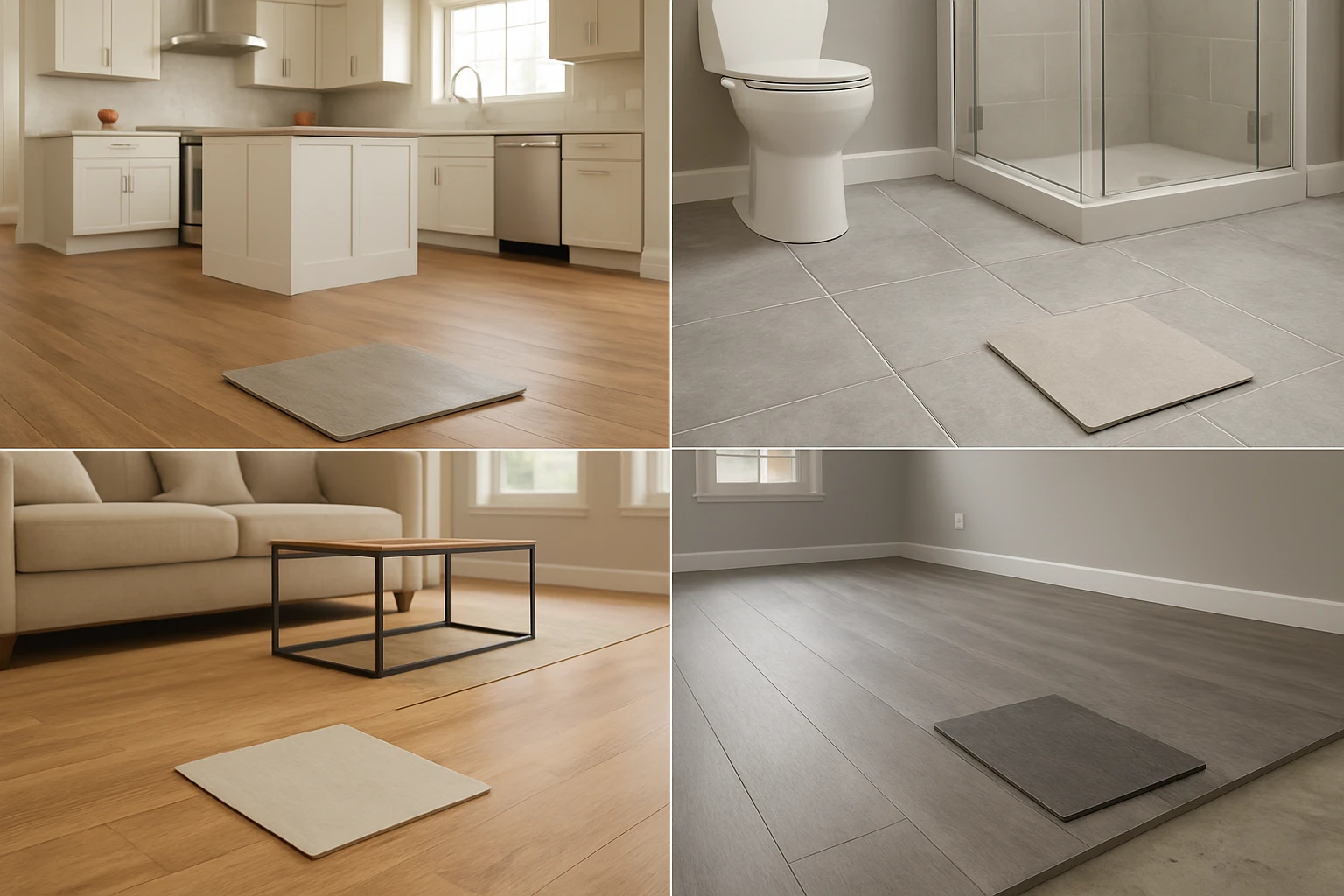
| Room | LVT Recommendation | Standard Vinyl Recommendation |
|---|---|---|
| Kitchen | Durable LVT with 12 mil plus wear layer, rigid core helpful | Heavy-duty sheet vinyl or thicker plank, but expect shorter life |
| Bathroom | Waterproof LVT or SPC with proper seams | Sheet vinyl works well when seams are sealed |
| Living Room | LVT for realistic wood effect and durability | Vinyl plank OK for low traffic or rental situations |
| Basement | SPC rigid core LVT for moisture stability | Specially rated sheet vinyl if moisture is controlled |
In many homes, LVT is the safer long-term choice for open-plan living areas and kitchens, while sheet vinyl can be a cost-effective option for laundry rooms, utility spaces, or short-term needs.
Environmental and Health Considerations
Vinyl is made from PVC, which raises questions about recyclability and emissions. Manufacturers have improved formulas and now offer low-VOC products, so look for items certified for indoor air quality.
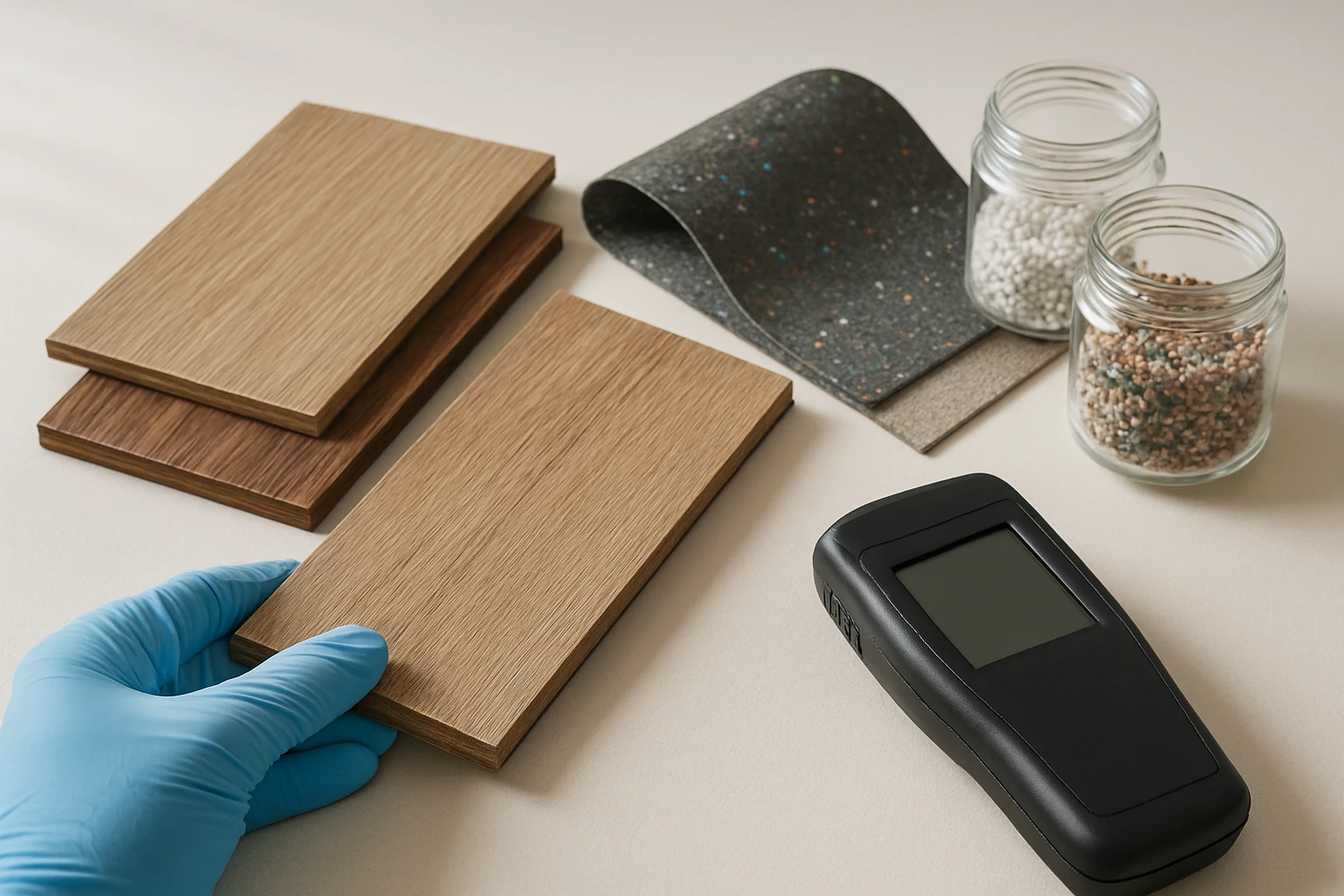
If sustainability matters to you, ask suppliers about reclamation programs, recycled content, and third-party certifications. In our experience, clear answers from the manufacturer are a good sign of product quality and transparency.
Which One Should You Choose
Choose LVT when you want a realistic look that holds up in everyday life and you are ready to invest a bit more up front. Choose vinyl sheet or budget vinyl plank when initial cost is the main constraint and the room has light traffic. If you need an especially rigid, dent-resistant floor, consider SPC LVT.
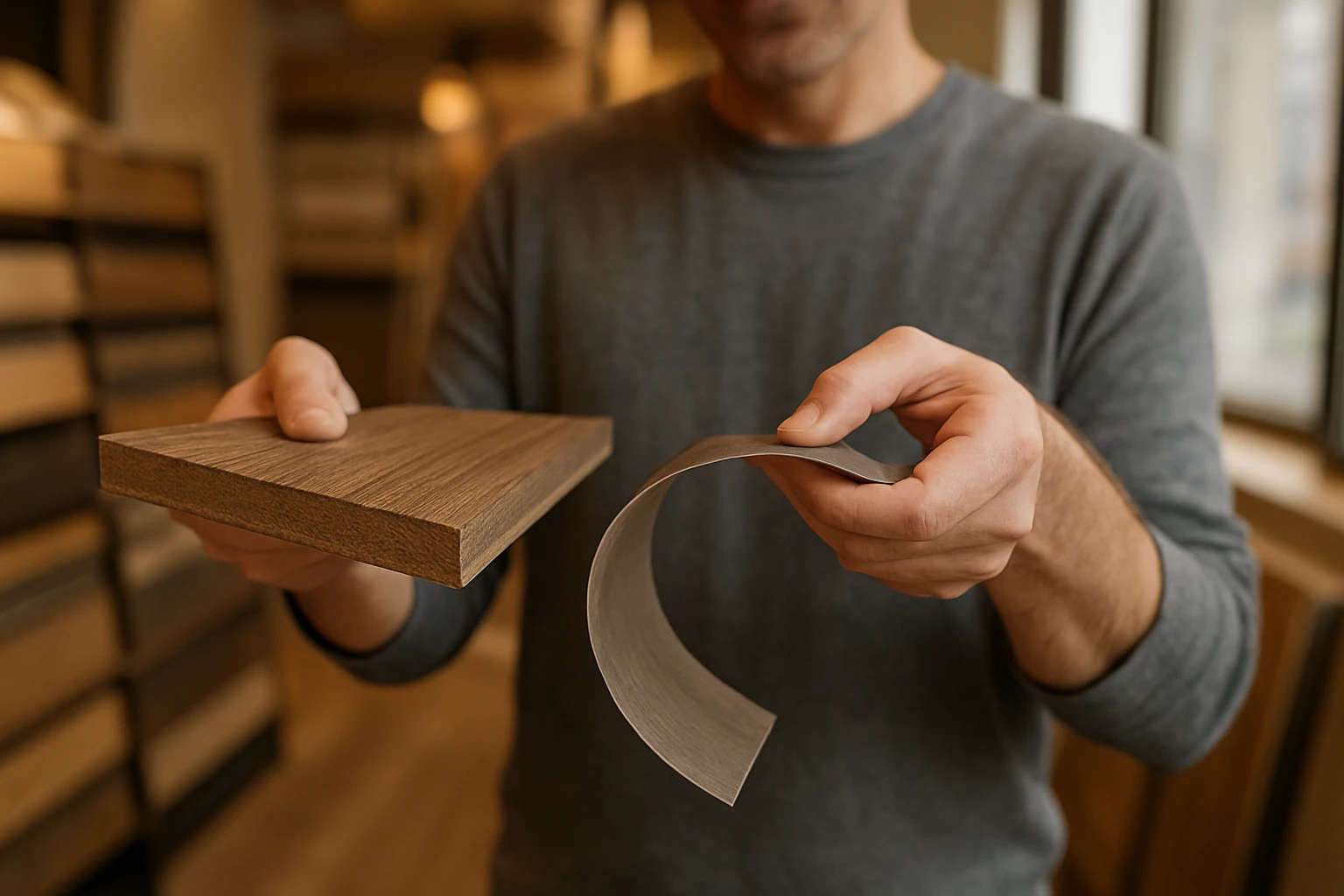
For product pages and to compare exact options, see Floors Land pages on LVT Flooring and Vinyl Flooring. If you are weighing rigid core options, also review SPC Flooring. For comparisons with laminate and other types, the blog post SPC Vs Laminate Vs Vinyl Flooring: Which Fits Your Home Best is a useful read.
Final Buying Tips
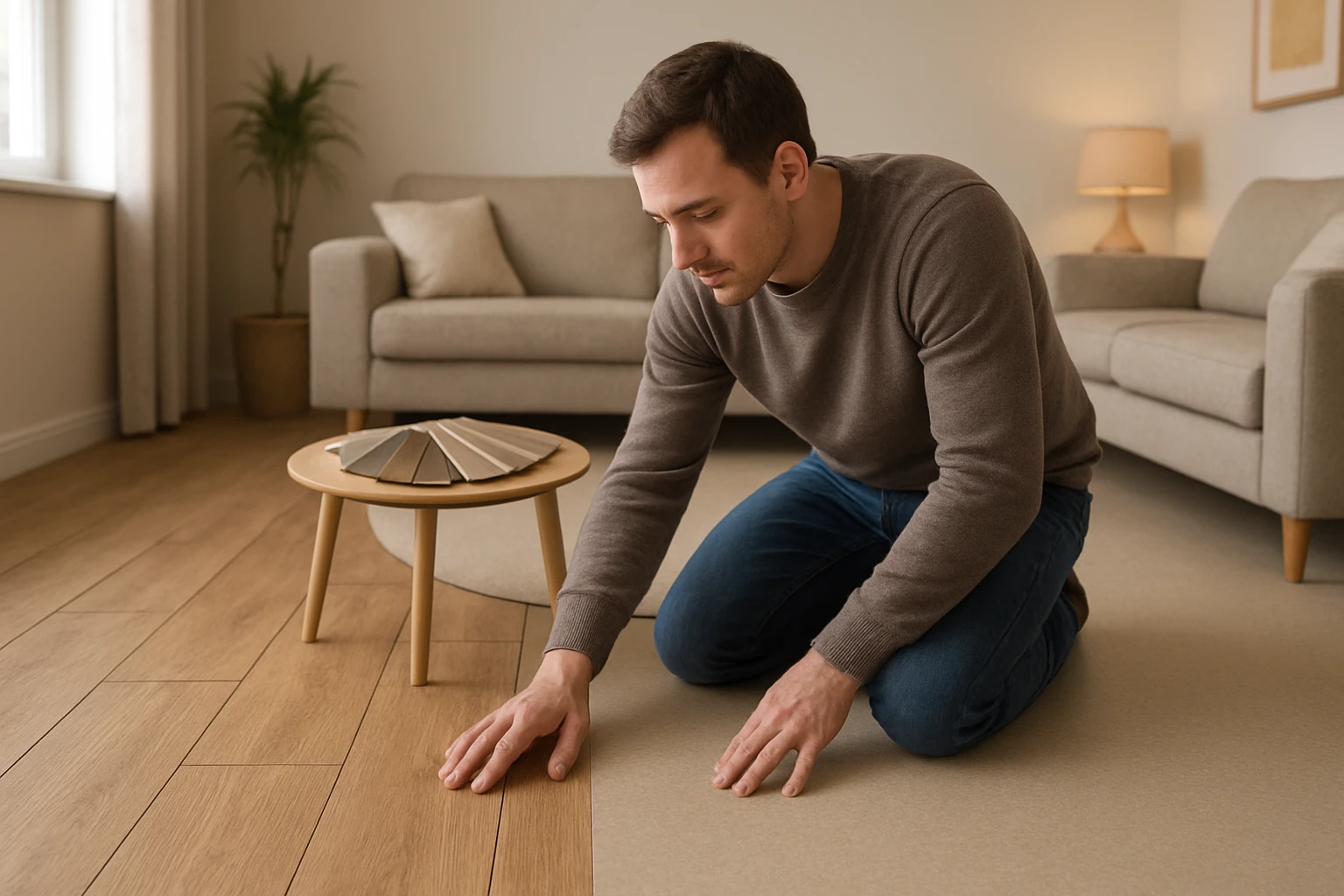
- Buy samples and view them in your home light before deciding.
- Ask about wear layer thickness and warranty coverage in writing.
- Prepare the subfloor properly or hire a pro to avoid early problems.
- Consider long-term replacement cost, not just initial price.
Quick Comparison Table
| Feature | LVT | Standard Vinyl |
|---|---|---|
| Realistic Look | High | Medium |
| Water Resistance | High | High |
| Scratch Resistance | High with thick wear layer | Low to Medium |
| Installation Ease | Moderate to Easy | Easy to Moderate |
| Average Life | 12 to 25 years | 7 to 15 years |
| Typical Cost | Mid to High | Low to Mid |
Choosing the right floor means matching product strength to room use. In our experience, buyers who check wear layer, core type, and installation needs avoid common regrets and get a floor that lasts.
Frequently Asked Questions
Is LVT Just a Fancier Name for Vinyl?
No. LVT is a specific category of vinyl flooring with a multi-layer construction and thicker wear layers that aim to mimic wood or stone. Standard vinyl includes sheet goods and thinner planks and usually has a simpler build.
Which Is Cheaper, LVT or Vinyl?
Standard vinyl sheet or budget vinyl plank is usually cheaper up front. LVT has higher material costs and sometimes higher installation costs, but it often lasts longer which can make it more cost effective over time.
Can I Install LVT or Vinyl Over Existing Flooring?
Sometimes. Both can be installed over smooth, stable floors, but you must follow manufacturer guidelines. High spots and old adhesive should be removed and subfloor leveled first. For best results, many pros recommend removing old flooring.
Is LVT Waterproof?
Most LVT products are water resistant, and many are fully waterproof when they use a rigid core like SPC and have sealed seams. Always check the product specifications for waterproof ratings.
Which Flooring Is Better for High Traffic Homes with Pets?
Choose LVT with a thick wear layer and a rigid core for the best scratch and dent resistance. Also use furniture pads, keep pet nails trimmed, and select a textured finish that hides wear.