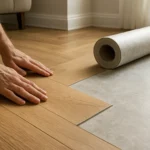
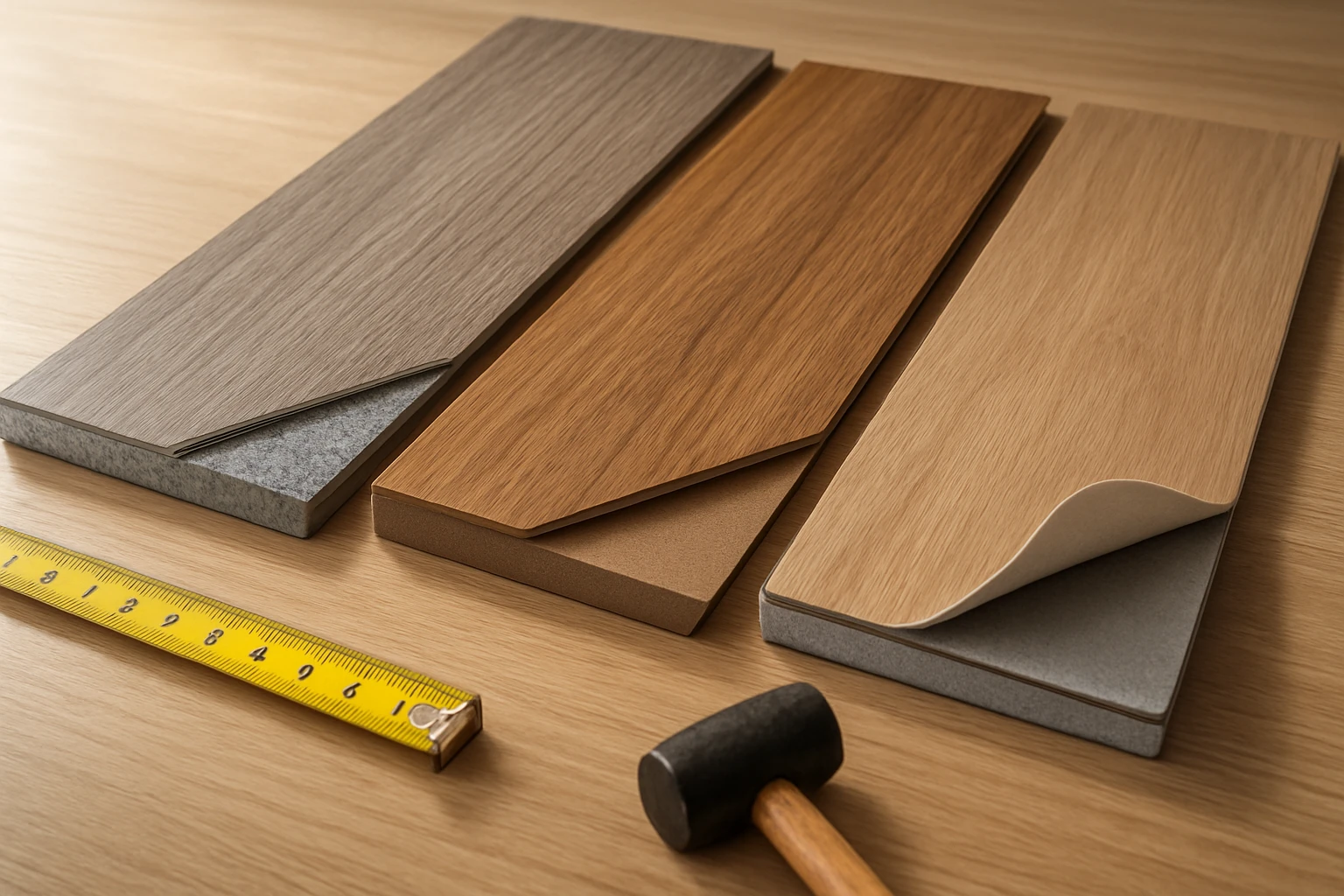
SPC, laminate, and vinyl each have distinct strengths. SPC is the stiffest and fully waterproof, so it works best in wet rooms and high-traffic spots. Vinyl feels softer underfoot and comes in many styles. Laminate is the most budget friendly and often gives the most convincing wood look when you keep moisture under control.
Key Statistics
- Typical cost per square foot (USD): Laminate $1.50–$6, Vinyl $2–$7, SPC $2.50–$8.
- Average lifespan: Laminate 10–20 years, Vinyl 10–25 years, SPC 20–30 years.
- Water resistance: SPC and vinyl are fully waterproof when installed correctly; standard laminate is not waterproof unless specifically labelled.
Quick Comparison at a Glance
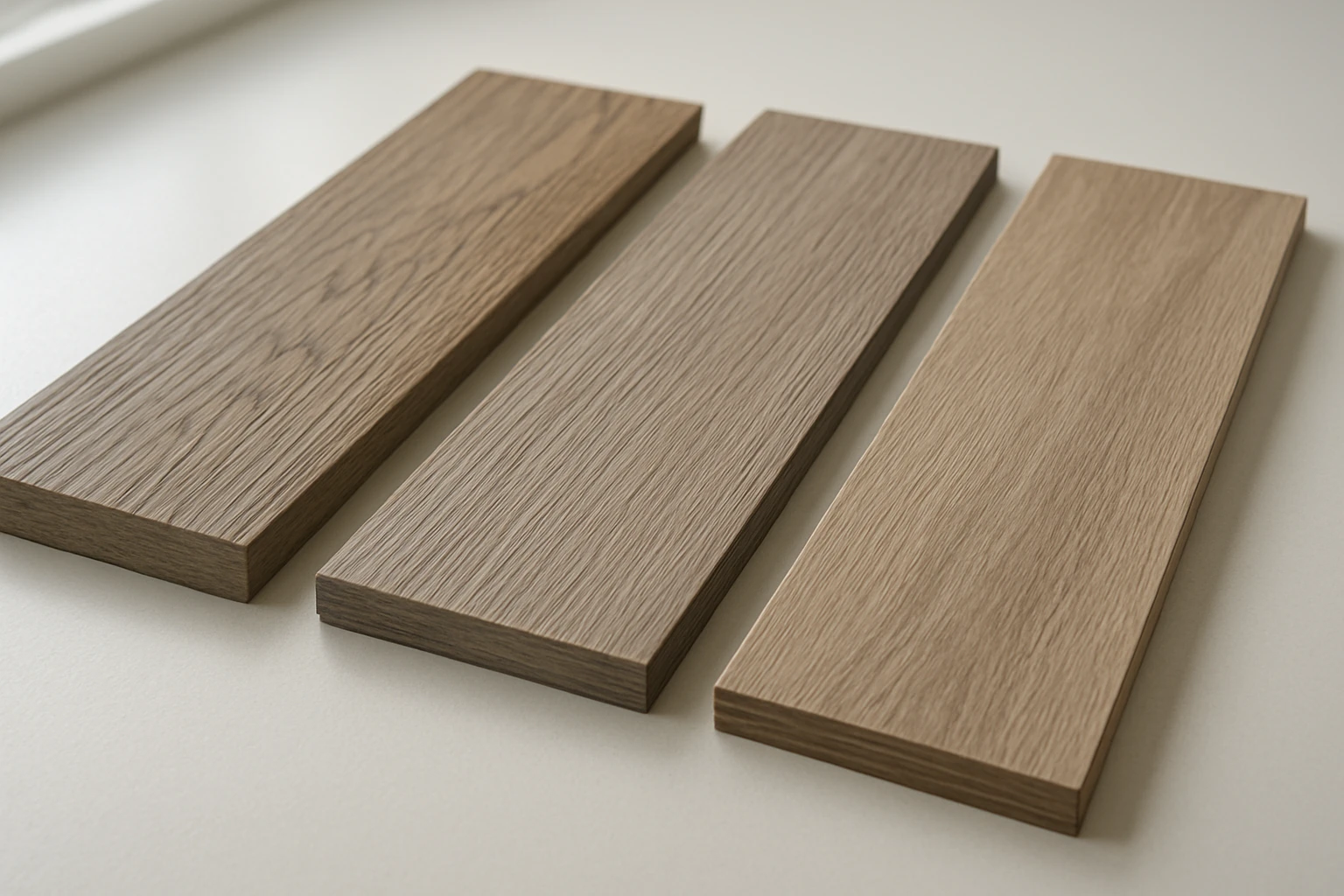
Start with the basics so you can narrow choices fast. Below is a short summary of the three types and when each makes sense.
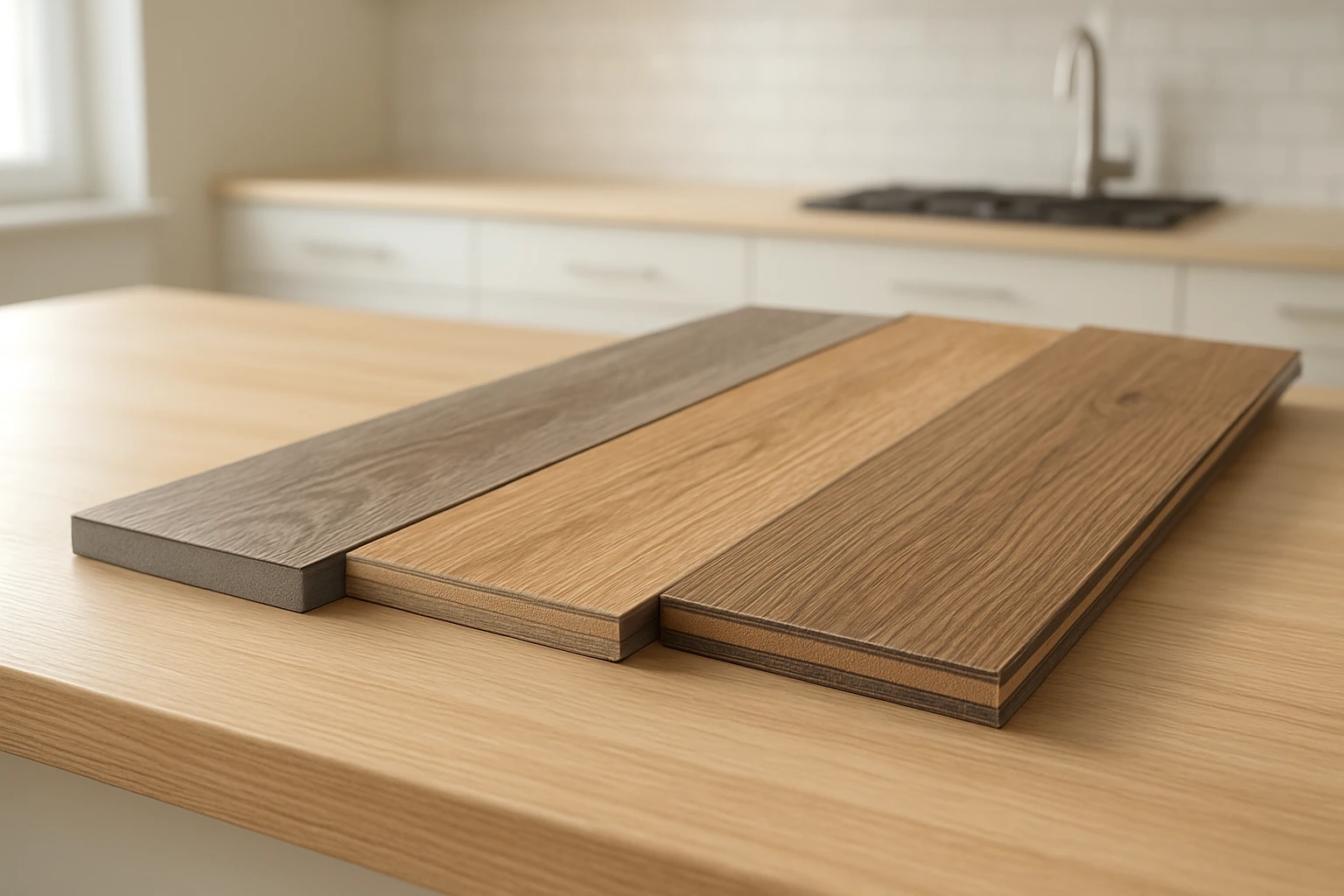
- SPC: Very rigid core, high dent resistance, fully waterproof, sits well over uneven subfloors, good for kitchens, bathrooms and high-traffic areas.
- Vinyl (LVP/LVT): Soft underfoot, waterproof, wide range of textures and looks, often quieter and warmer than SPC.
- Laminate: Best value for a natural wood look, easy to clean, repair is limited, not usually waterproof unless marketed as water resistant.
What Each Flooring Type Is
This section explains what each product actually contains and how that affects performance.
SPC Flooring
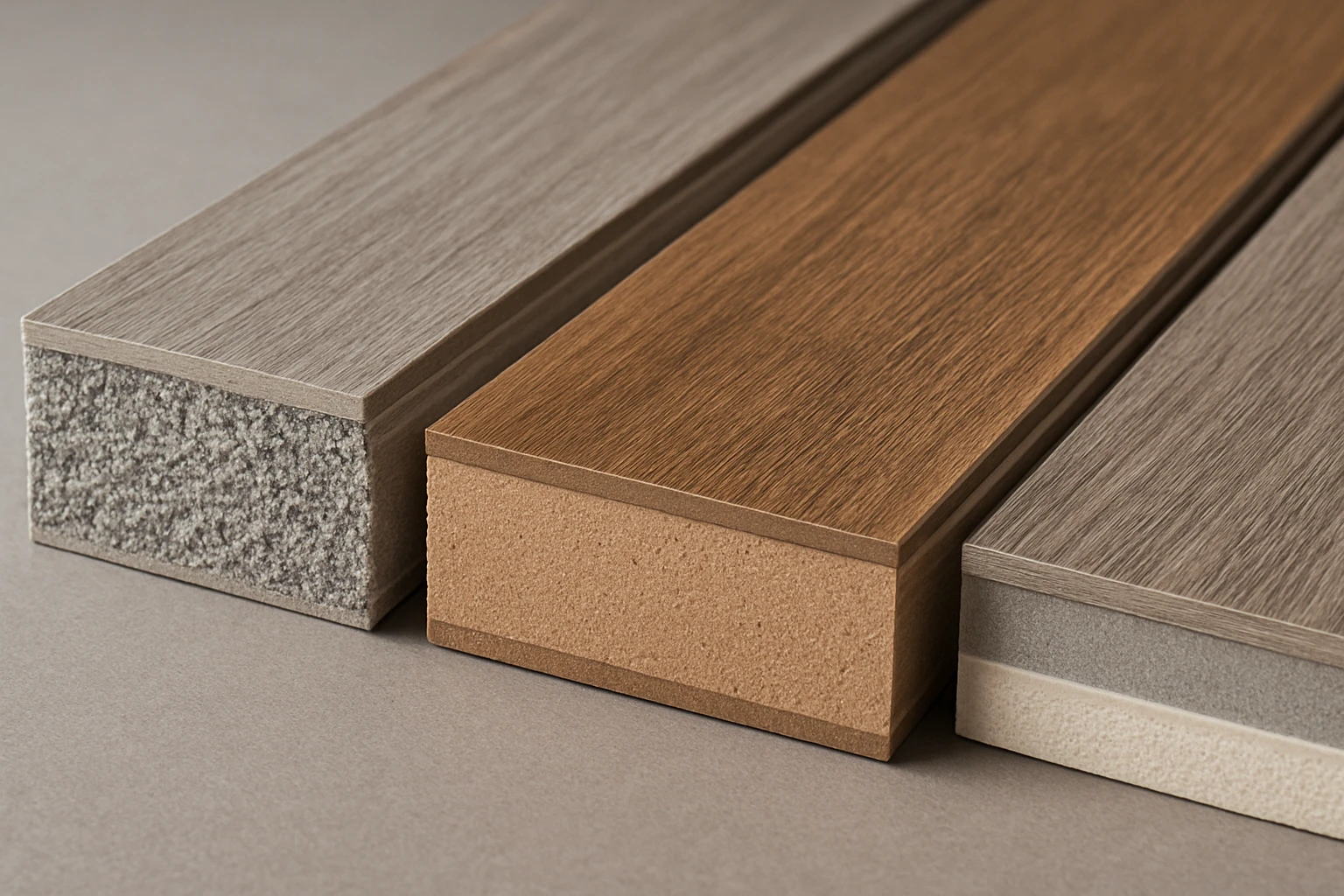
SPC stands for stone-plastic composite. It has a mineral and polymer core that makes boards stiff and very resistant to dents and moisture. That construction gives SPC a heavier, more solid feel than many vinyl products.
Core Material:
Stone-plastic composite core made from limestone powder and PVC.
Pros:
- High dent and impact resistance.
- Fully waterproof and dimensionally stable.
- Good over imperfect subfloors because of stiffness.
Cons:
- Can feel harder underfoot than vinyl.
- Style range is strong but some textures feel less natural than real wood.
Best Rooms:
Kitchens, bathrooms, mudrooms, high-traffic living areas.
SPC Flooring has detailed product choices and installation notes if you want to see options.
Laminate Flooring
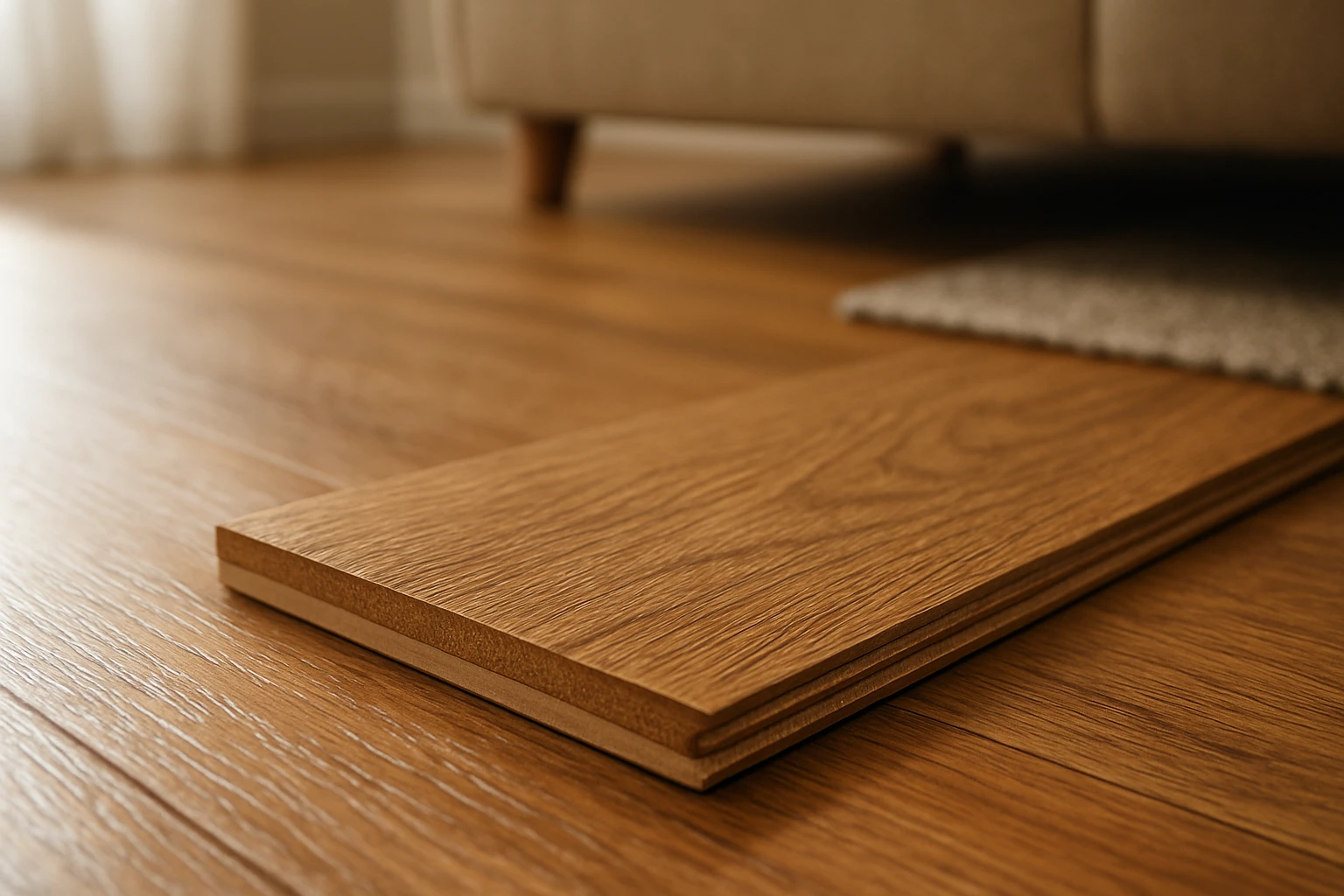
Laminate uses a high-density fiberboard core topped by a printed design and a protective wear layer. It gives a convincing wood or stone look at a lower price than real hardwood.
Core Material:
High-density fiberboard with printed decorative layer and melamine wear layer.
Pros:
- Cost effective and looks like wood or tile.
- Wide range of designs and surface embossing.
- Easy to clean and maintain when dry.
Cons:
- Standard types are not waterproof and can swell with moisture.
- Repair is harder; damaged planks often need replacing.
Best Rooms:
Living rooms, bedrooms, low-moisture hallways.
See style updates in Laminate Flooring Trends in Dubai 2026: Designs, Prices and Top Picks for current looks and colors.
Vinyl Flooring
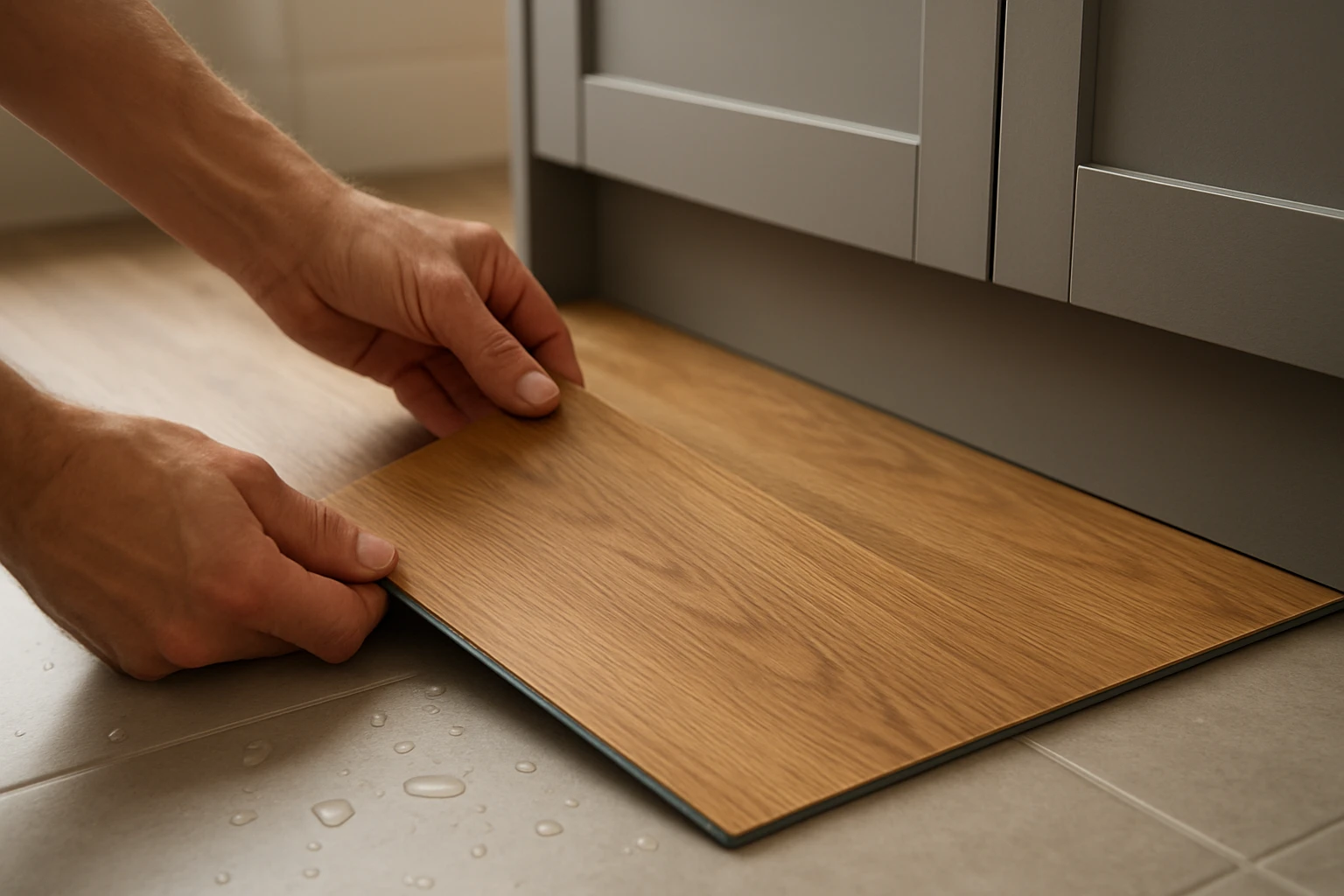
Vinyl includes luxury vinyl plank (LVP) and tile (LVT). It has a flexible PVC core or a multi-layer construction that stays waterproof and gives a softer feel than SPC.
Core Material:
Vinyl layers over a flexible or rigid backing, some types use rigid cores that blur the line with SPC.
Pros:
- Comfortable underfoot and quiet.
- Fully waterproof and low maintenance.
- Wide style and price range including textured and embossed surfaces.
Cons:
- Thinner vinyl can dent under heavy furniture if no good underlayment is used.
- Cheaper vinyl may feel less natural than textured SPC or quality laminate.
Best Rooms:
Bathrooms, kitchens, basements, family rooms.
Find product details at Vinyl Flooring.
Cost Comparison and Lifespan
Price and life expectancy are the two things that most homeowners check first. Below is a clear table for quick comparison and a short note on what affects these numbers.
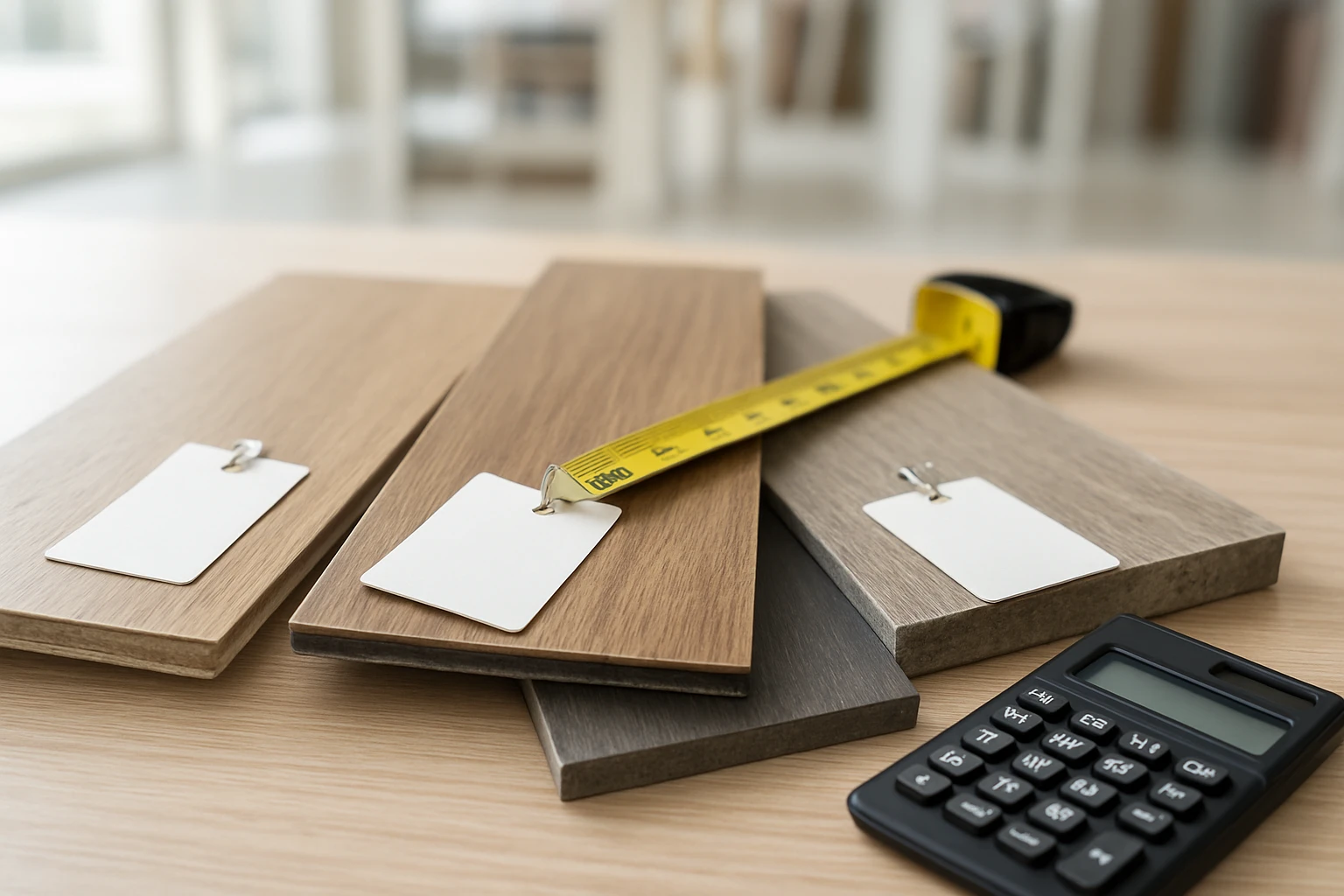
| Feature | Laminate | Vinyl (LVP/LVT) | SPC |
|---|---|---|---|
| Typical material cost (USD per sq ft) | 1.50–6.00 | 2.00–7.00 | 2.50–8.00 |
| Typical installed cost (USD per sq ft) | 3.00–8.00 | 4.00–9.00 | 4.50–10.00 |
| Average lifespan | 10–20 years | 10–25 years | 20–30 years |
| Waterproof? | Generally no | Yes | Yes |
| Scratch resistance | Moderate | Varies by wear layer | High |
What changes cost and life: the wear layer thickness, installation quality, subfloor condition, and how well the floor is maintained. A thicker wear layer on vinyl or SPC adds life but also cost.
For local cost benchmarks in Dubai and practical budget ranges, see Laminate Flooring Price Dubai: Complete 2026 Cost Guide and How Much Does Flooring Cost in Dubai.
Installation and Repair
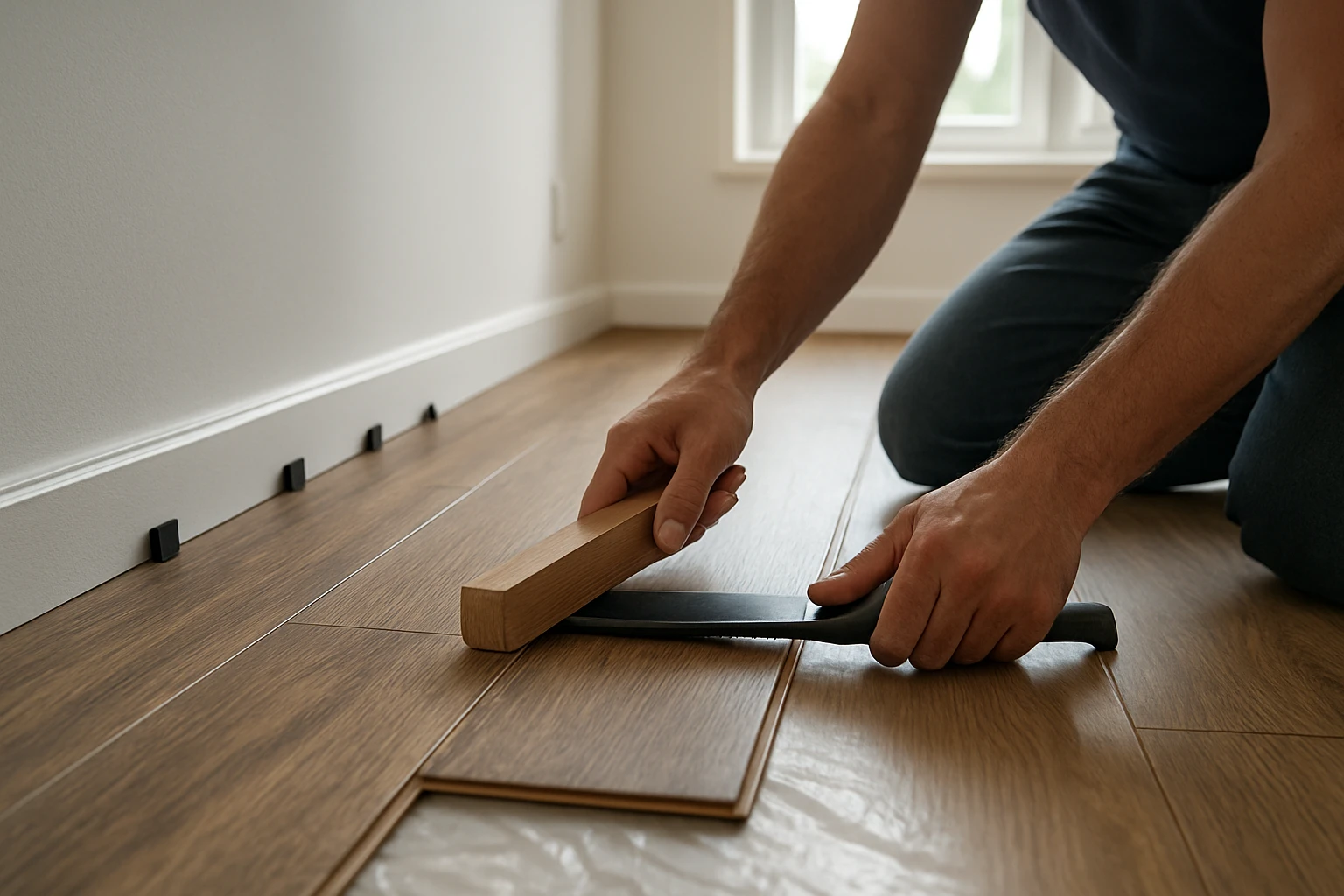
How a floor is installed affects both performance and total cost. Some types are easy DIY projects while others are best left to pros.
DIY Versus Professional
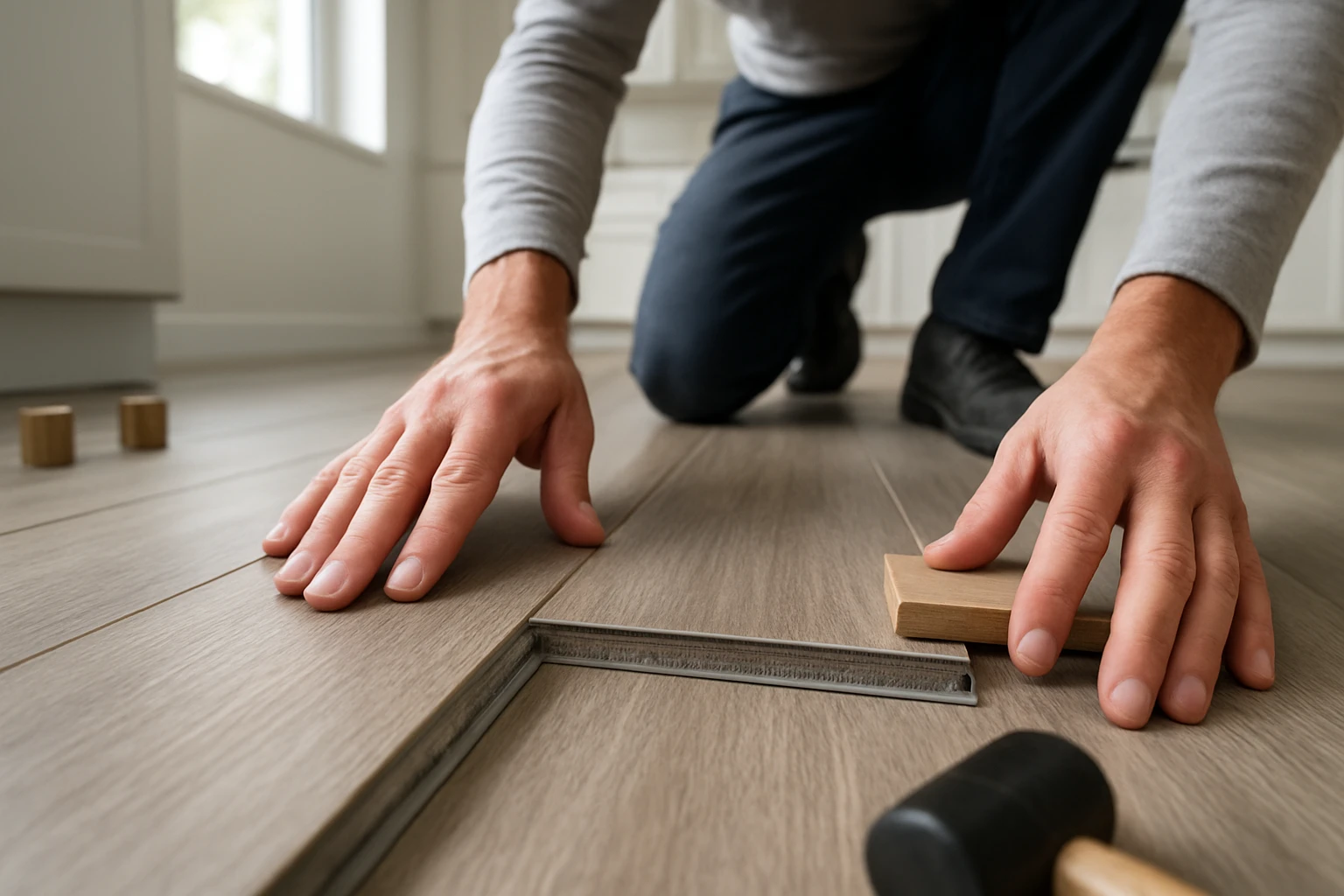
- Laminate: Most click-lock laminate installs are DIY friendly when the subfloor is flat and dry. A common mistake is skipping moisture barriers over concrete.
- Vinyl: Many vinyl planks click together and are DIY friendly, though full-spread glue vinyl and tiles usually need a pro for best results.
- SPC: Click systems make SPC easier to install, but heavy boards and tight tolerances often make a professional installation faster and cleaner.
Repair Notes
- Laminate: Replace damaged planks; matching can be hard with older designs.
- Vinyl: Individual planks are often replaceable, and spot repair is usually possible.
- SPC: Replace planks as needed; their stiffness can make removal harder but they resist damage more often.
Maintenance and Cleaning
All three are lower maintenance than real wood, but each needs its own care routine.
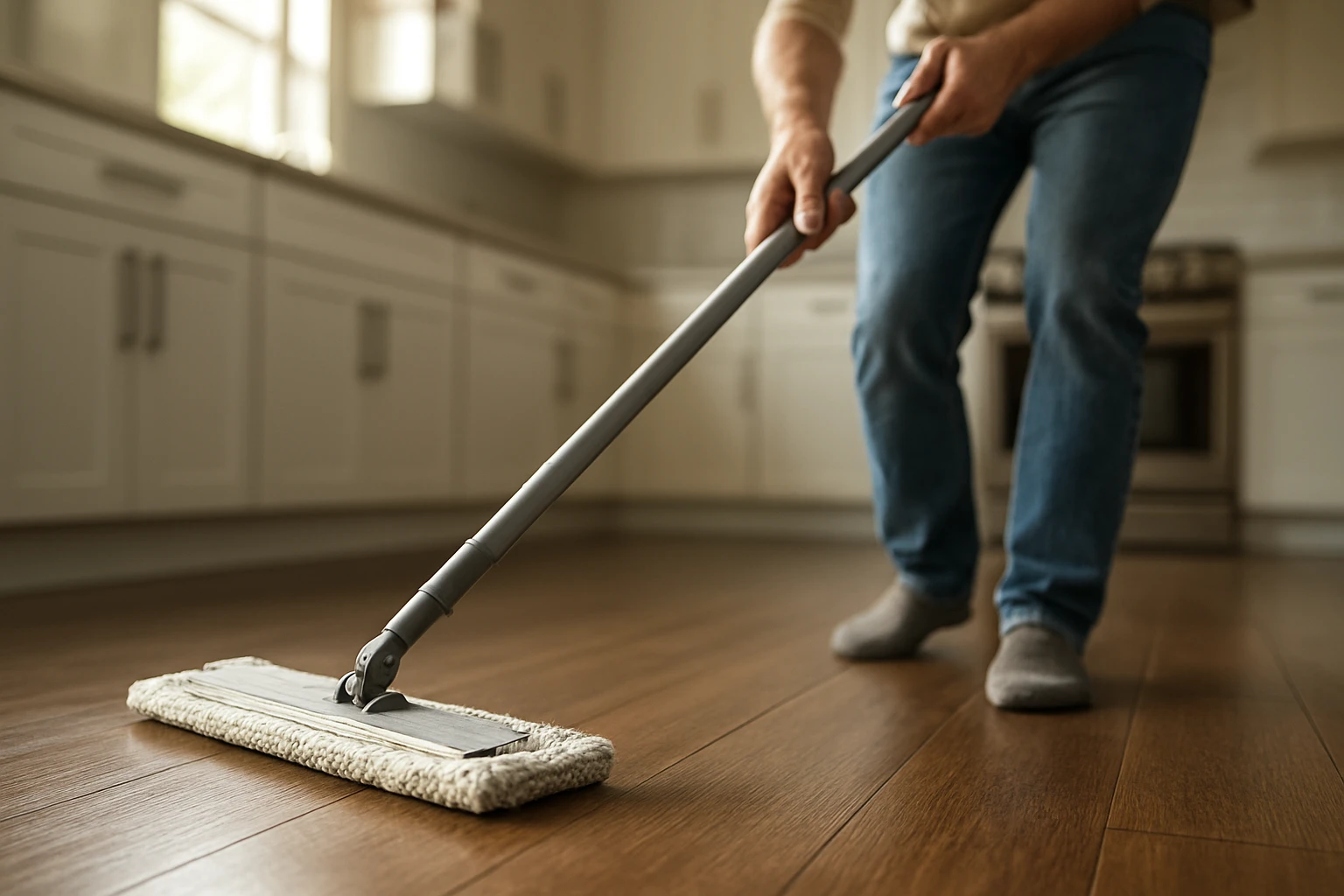
- Regular Care: Sweep or vacuum to remove grit that can scratch wear layers.
- Wet Cleaning: Use a damp mop and manufacturer-approved cleaner for vinyl and SPC. For laminate use minimal water and a cleaner designed for laminate to avoid seams swelling.
- Preventive Steps: Felt pads on furniture, area rugs in entryways, and quick cleanup of spills keep wear even.
A common mistake is using excess water on laminate. Even short exposure can cause damage on non-waterproof types.
Environmental Impact and Health
If indoor air quality matters, check product labels and certifications before you buy.
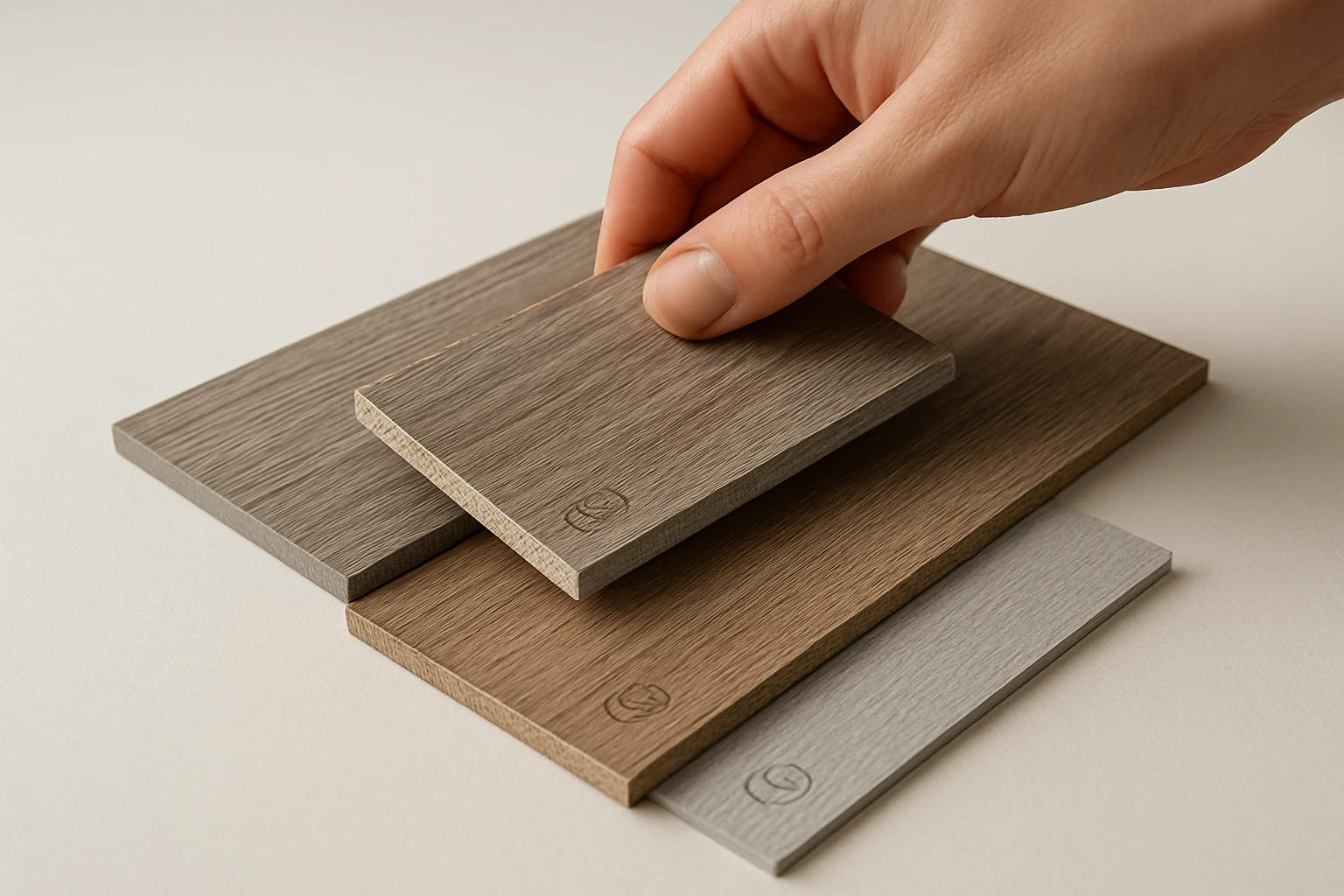
- VOCs and Emissions: Look for low-VOC products and third-party certifications such as FloorScore or similar regional labels.
- Material Recycling: Laminate and vinyl recycling options vary by region. SPC contains mineral content that can be harder to recycle but it lasts longer, which reduces replacement frequency.
- Health Notes: Properly installed, all three are safe for homes. If you or family members have chemical sensitivities, choose low-VOC rated options and ventilate during and after installation.
Choosing the Right Floor for Each Room
Match the floor to how the room is used, and consider comfort, moisture risk, and budget.
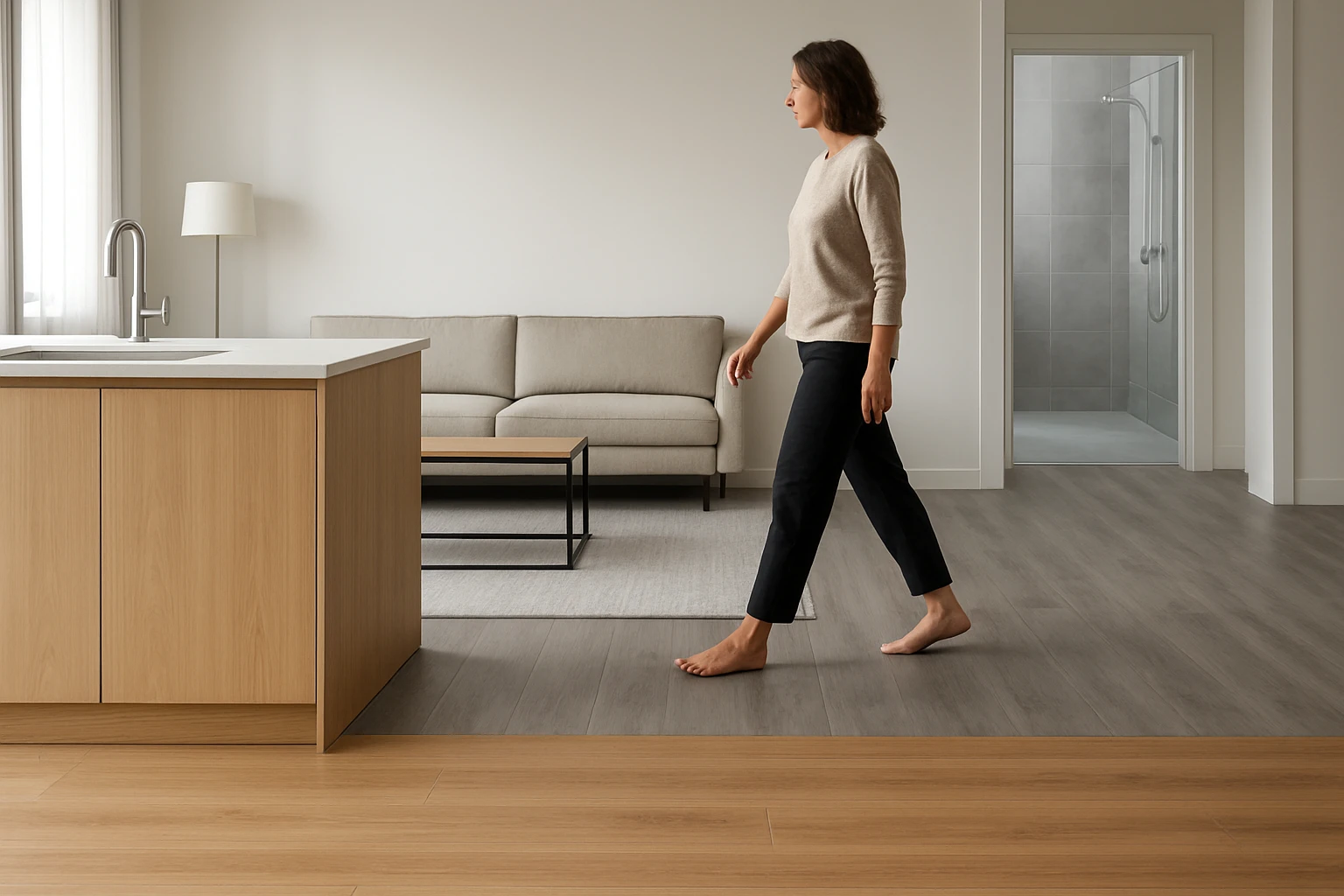
High Moisture Areas
Bathrooms and basements do best with waterproof options. SPC or vinyl are both strong choices because they resist swelling and buckling.
High Traffic Areas
Hallways and family rooms need durable wear layers. SPC shines for impact resistance, while high-quality vinyl with a thick wear layer also performs well.
Living Areas and Bedrooms
Laminate gives a warm, natural look at a lower cost when moisture is not a concern. Vinyl can be a quieter, softer alternative if foot comfort matters.
Kitchens
SPC is a popular kitchen choice for its stiffness and stability, while vinyl is chosen where warmth and underfoot comfort are priorities.
If you want expert help matching style and budget, the team at Floors Land can show products and samples that fit your project.
Final Decision and Recommendation
Choose SPC if you need a durable, waterproof floor that stays flat over imperfect subfloors. Pick vinyl when you want a softer feel, quiet steps, and broad style options. Choose laminate when cost and a convincing wood look are the top priorities and moisture is controlled.
Think about the room, how you use it, and how long you expect the floor to last. Homeowners who list the top three needs for each room — water resistance, comfort, and appearance — usually pick the right product faster and avoid costly returns.
If you have a specific room or budget and want to compare exact products, note the measurements and subfloor type and consult product wear layer specs. That simple step saves time and money during installation.
Frequently Asked Questions
Is SPC Better Than Vinyl for Bathrooms and Kitchens?
SPC and vinyl are both fully waterproof and work well in bathrooms and kitchens. SPC is stiffer and more dent resistant, while vinyl is softer underfoot. Either is a good choice; pick SPC when subfloor irregularities or heavy impact are concerns.
Can Laminate Go in a Bathroom?
Standard laminate is not a good choice for bathrooms because it can swell and warp when exposed to moisture. If you want laminate look in a wet area, choose products specifically labeled as waterproof and follow the manufacturer’s installation rules.
Which Flooring Costs Less to Install?
Laminate normally has the lowest installed cost if the subfloor is in good condition. Vinyl and SPC costs are similar and can be higher when you choose thicker wear layers, specialized underlay, or professional installation.
Which Flooring Lasts the Longest?
SPC typically has the longest service life, often 20 to 30 years with normal use. High-quality vinyl can last 10 to 25 years and laminate usually lasts 10 to 20 years depending on wear, moisture and maintenance.
Are There Health Concerns with Vinyl or SPC?
Both vinyl and SPC can be low in emissions when you choose products certified for low VOCs. To reduce risk, buy third-party certified products and ventilate well during and after installation.
Can I Install Any of These Floors Myself?
Many vinyl and laminate click-lock systems are DIY friendly when the subfloor is flat and dry. SPC can be more demanding because of board weight and tight tolerances, so a professional install is often faster and cleaner.